








| Size | Shoulder | Chest | Length |
|---|---|---|---|
| 46 | 50 | 110 | 68 |
| 48 | 52 | 114 | 70 |
| 50 | 54 | 118 | 72 |
| 52 | 56 | 122 | 74 |
As the seller lists it, in cm. Chest and waist are sometimes measured all the way round.
($82=570CNY)Item ID:12169
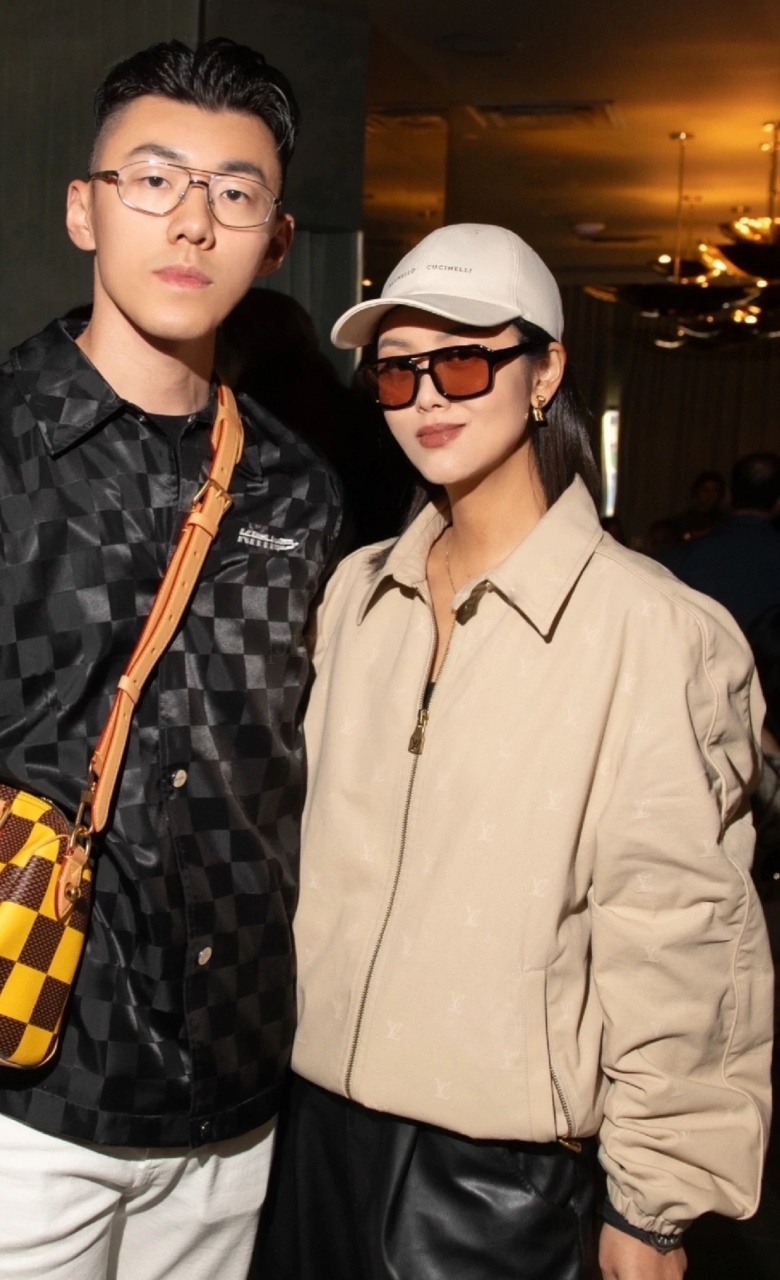
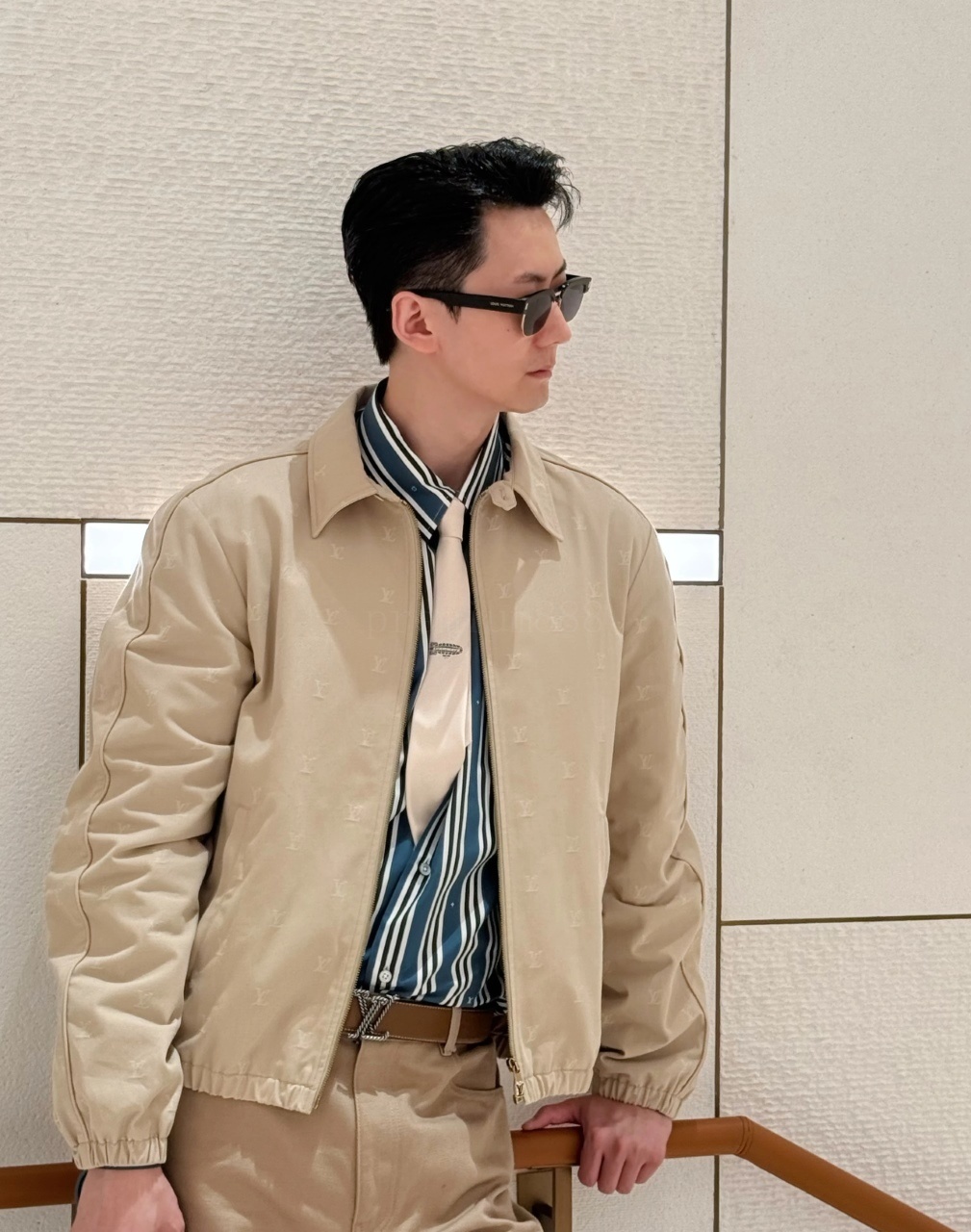
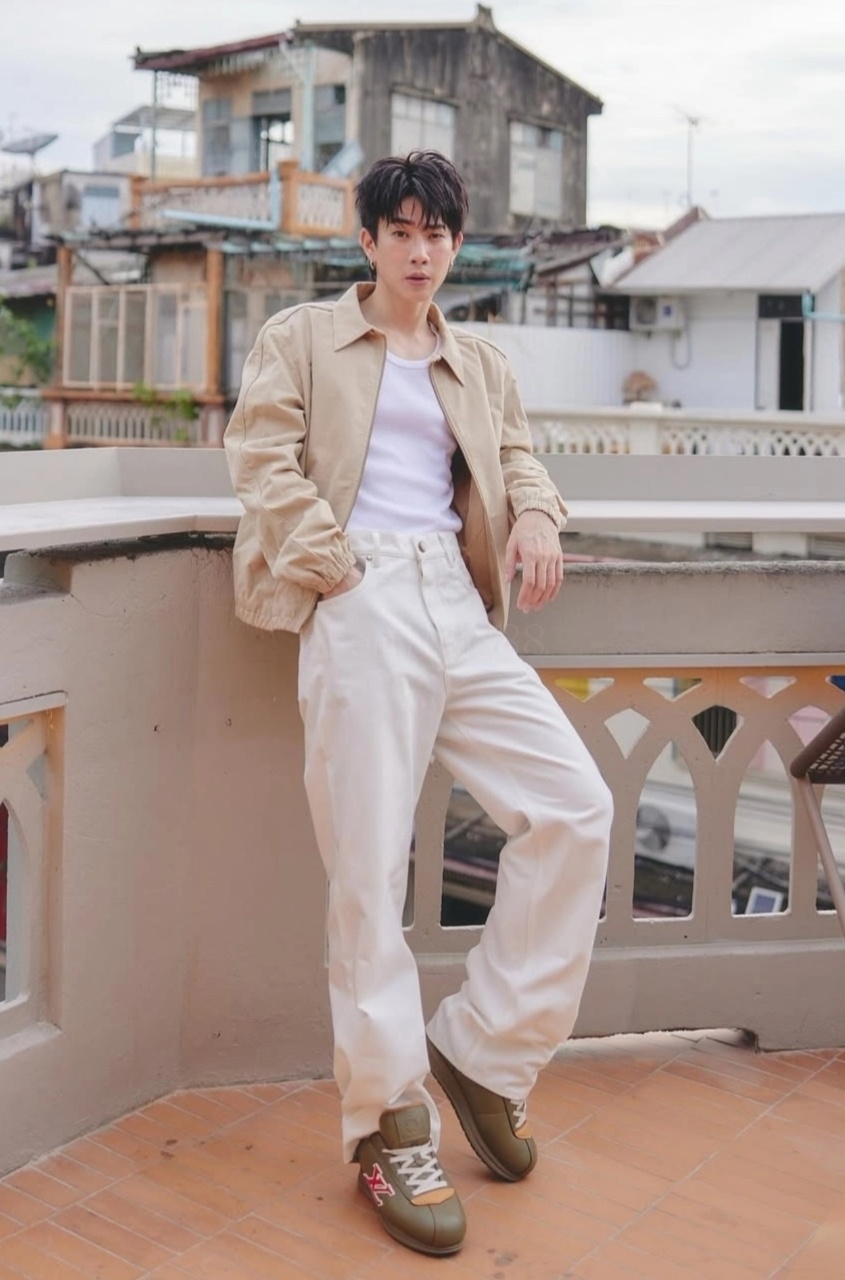
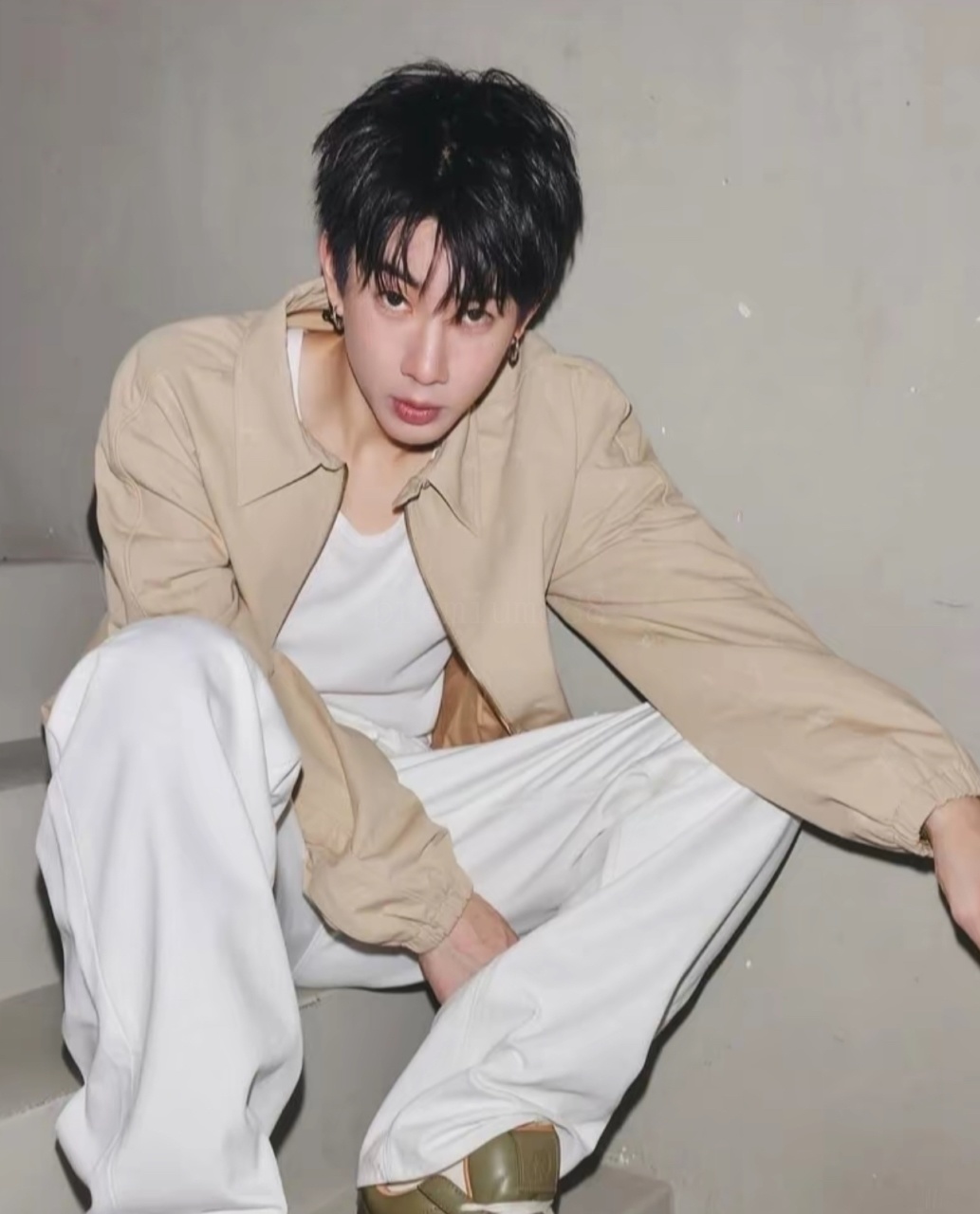
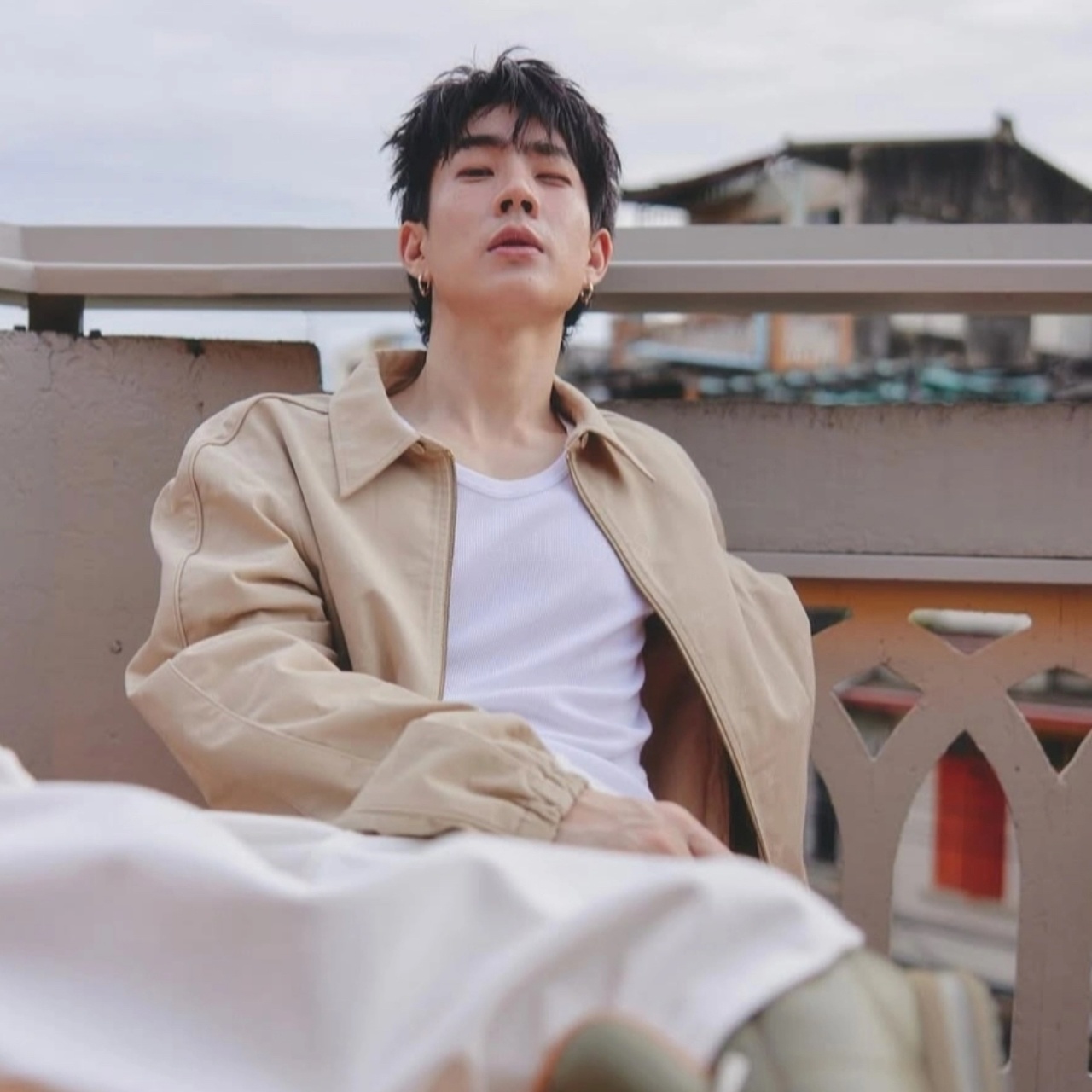
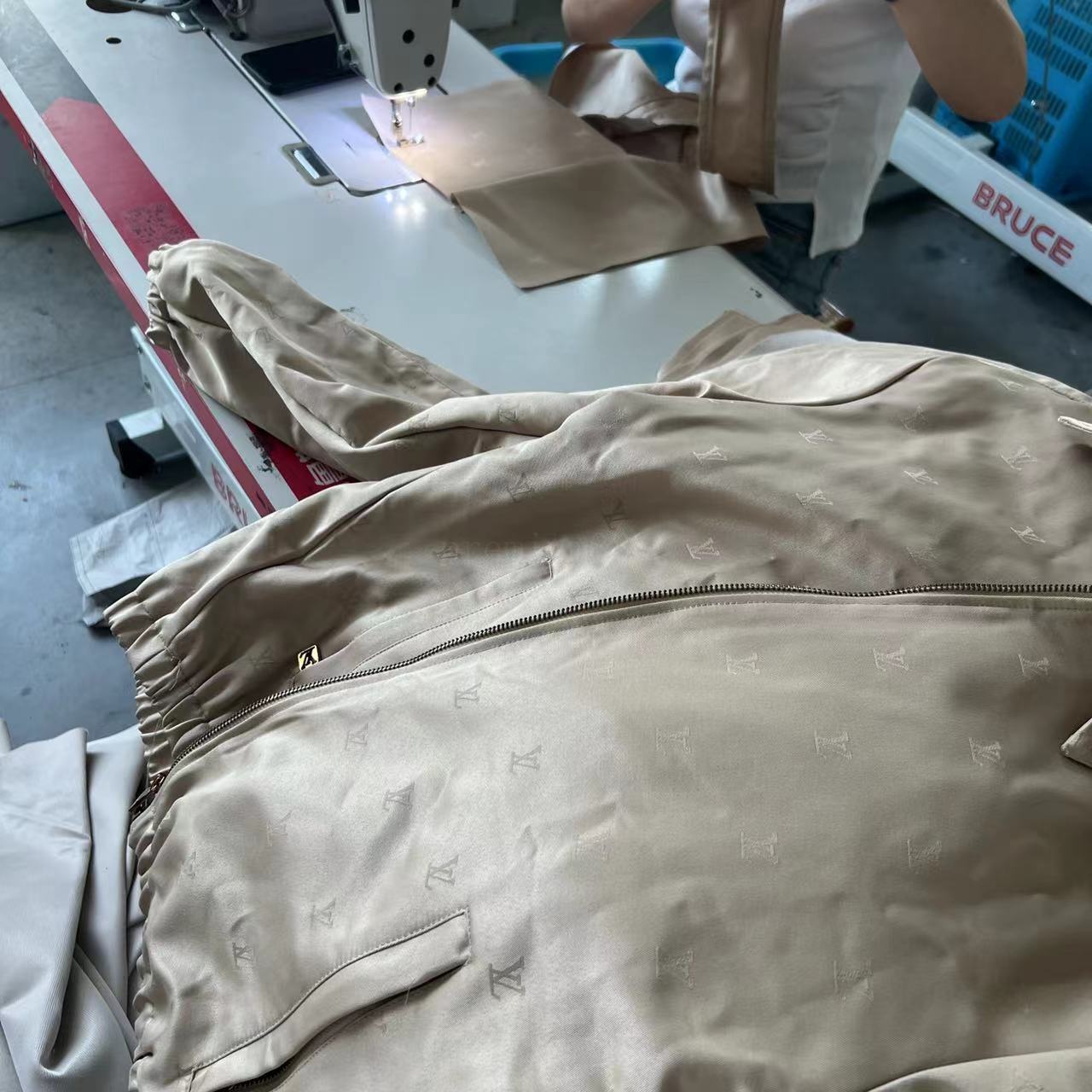
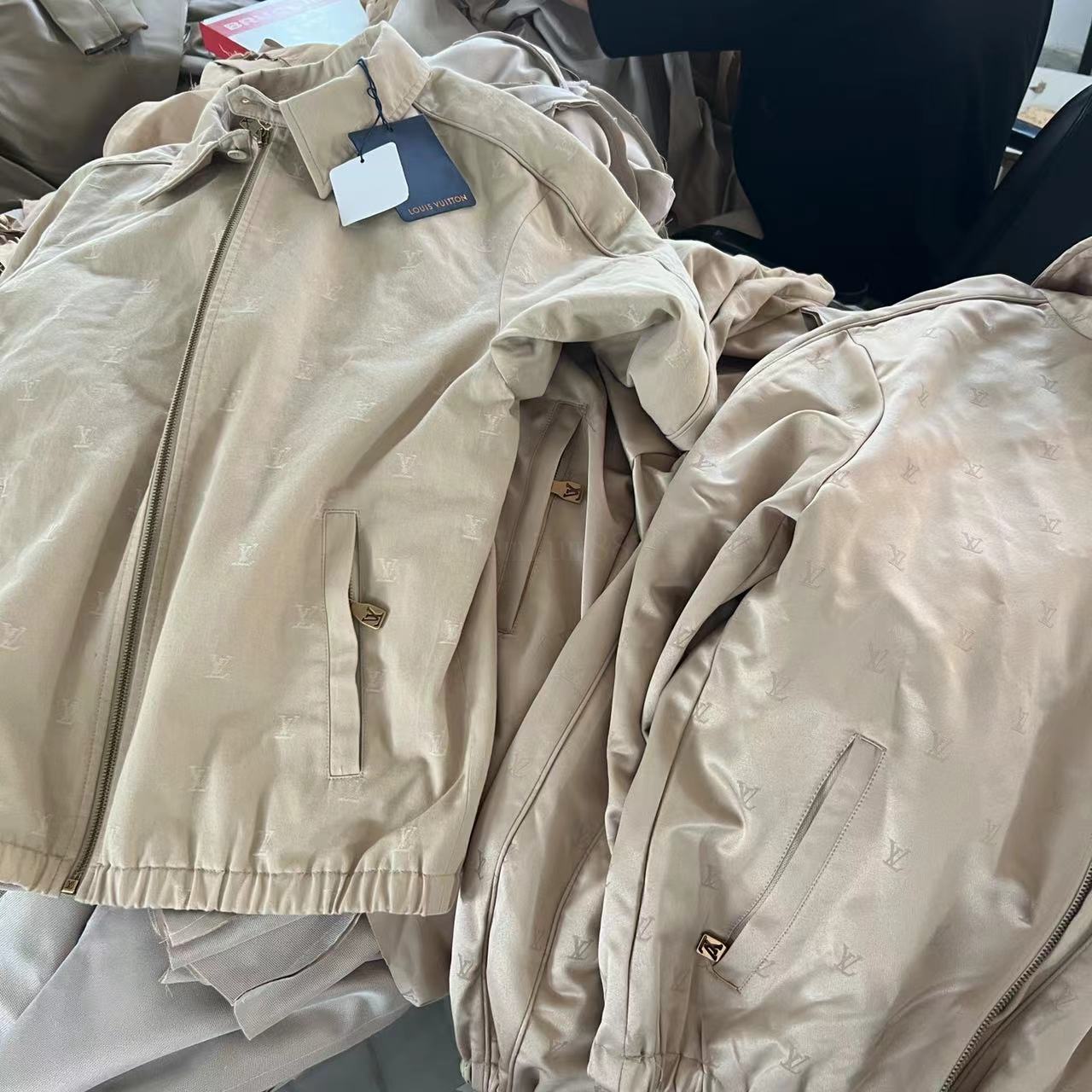
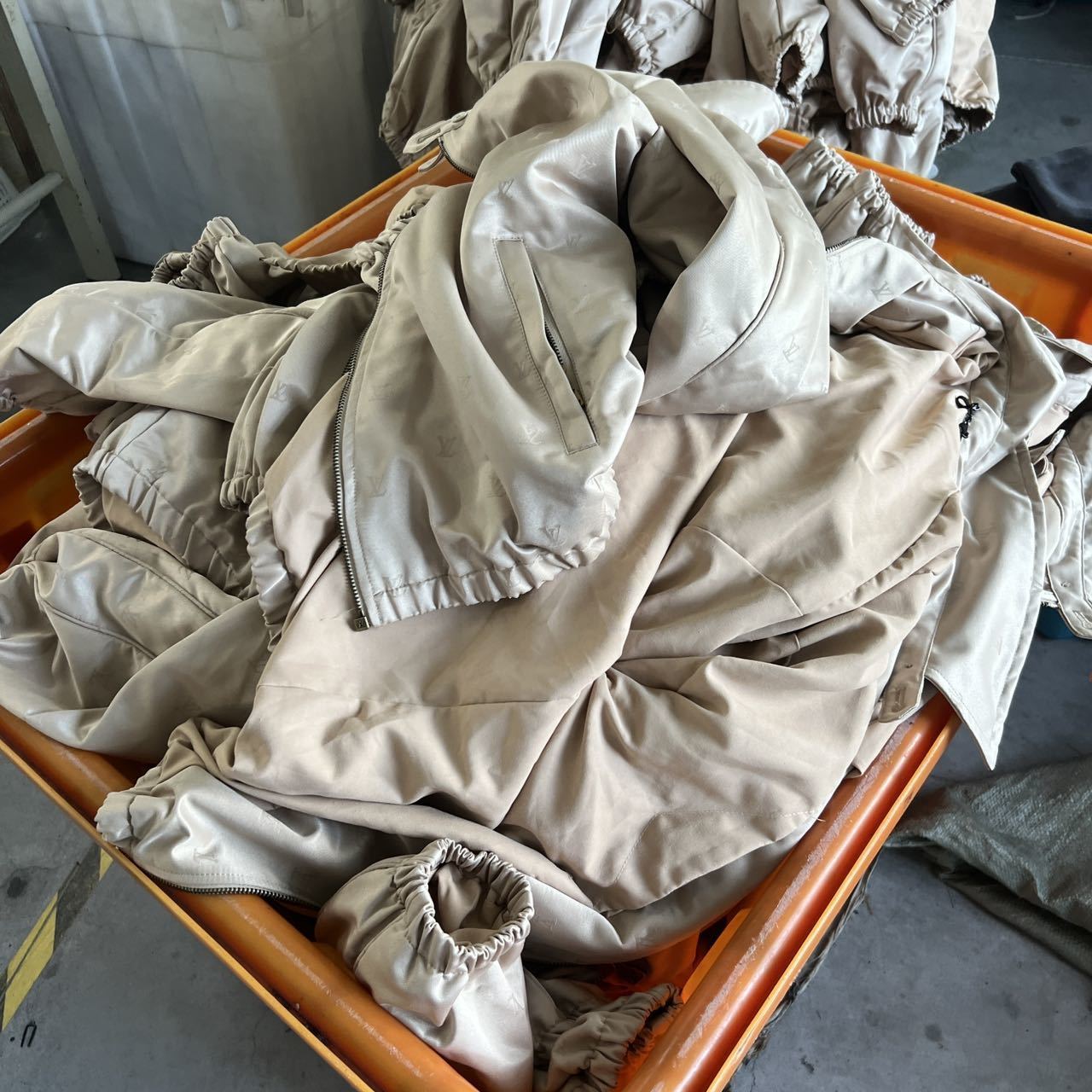
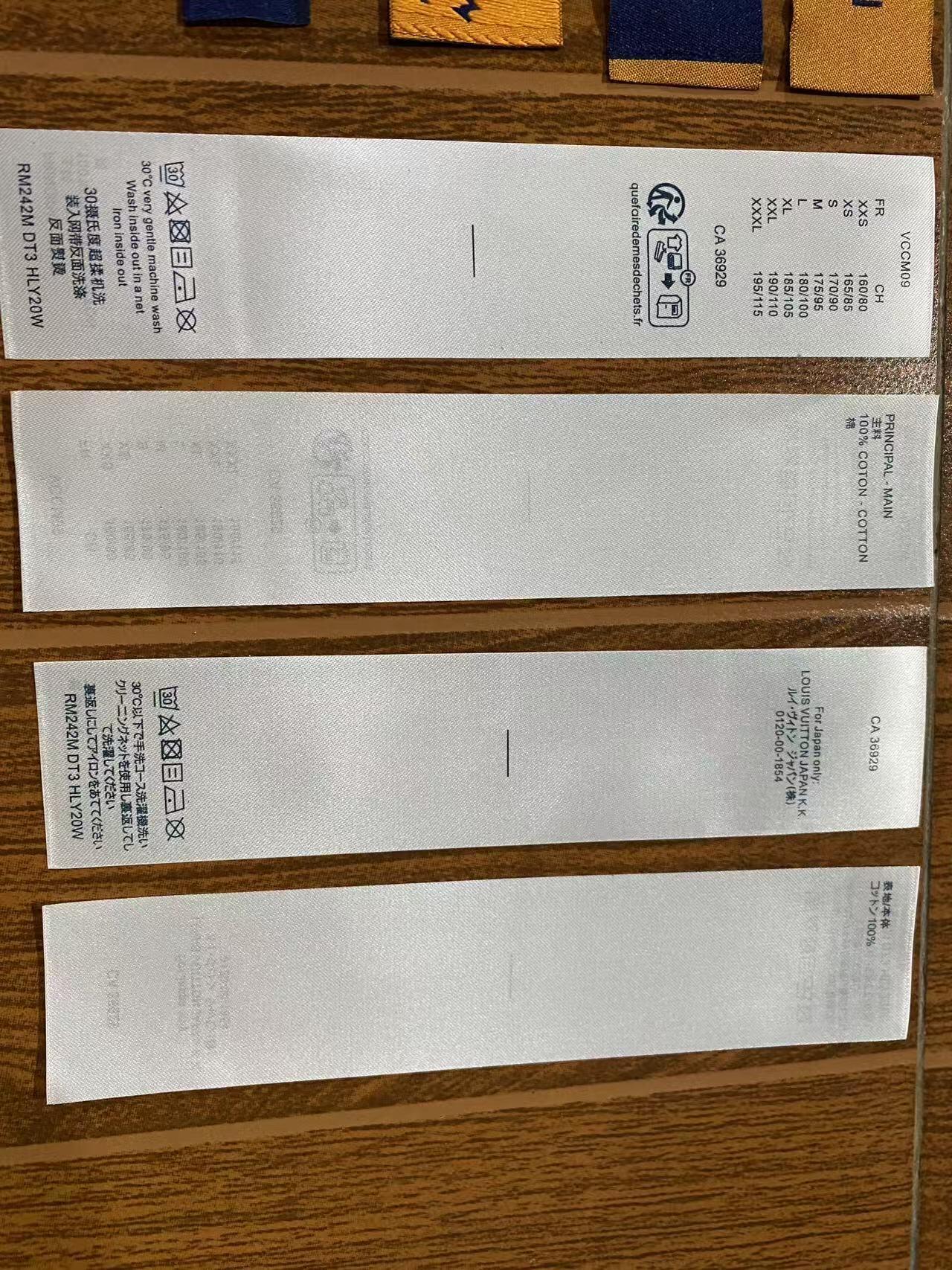
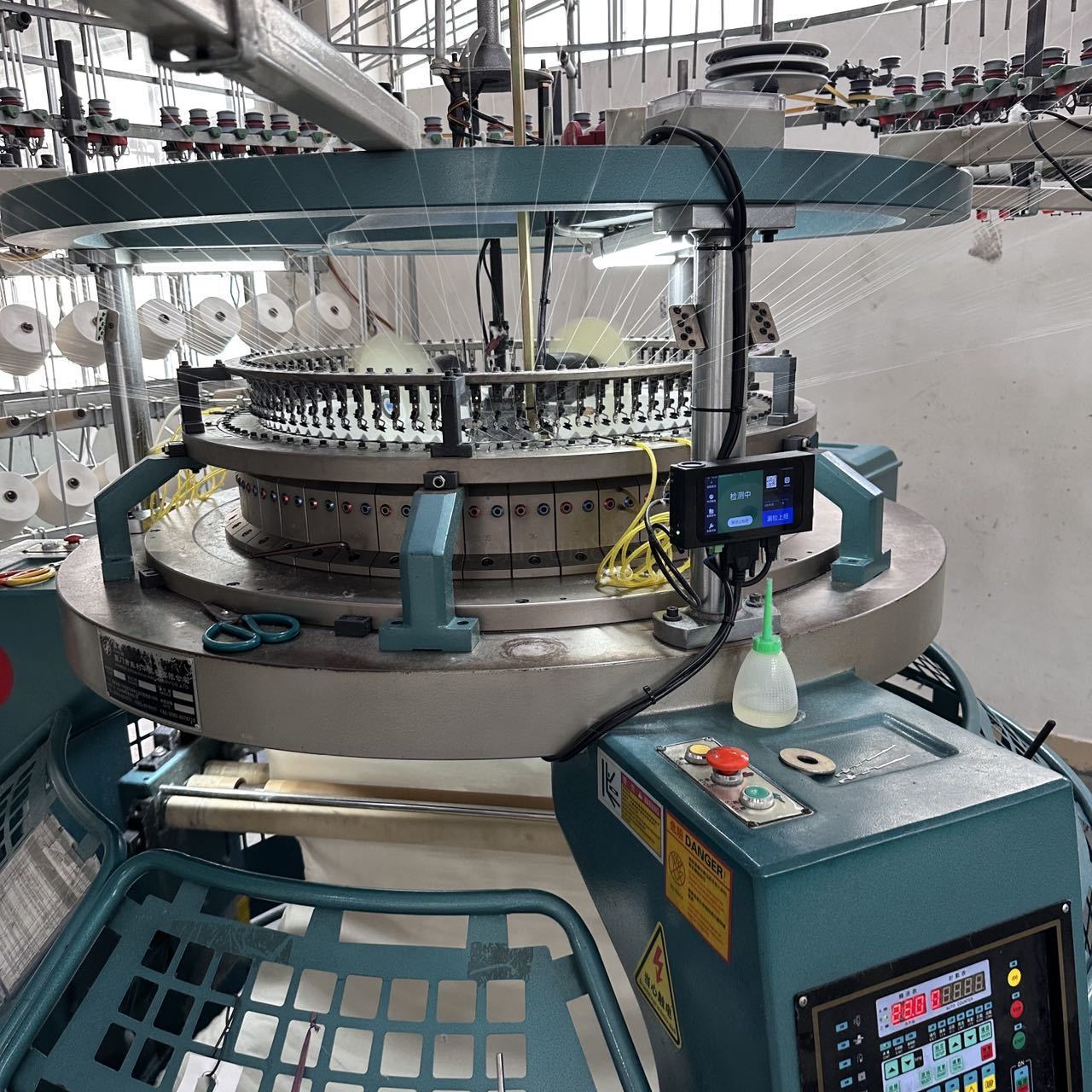
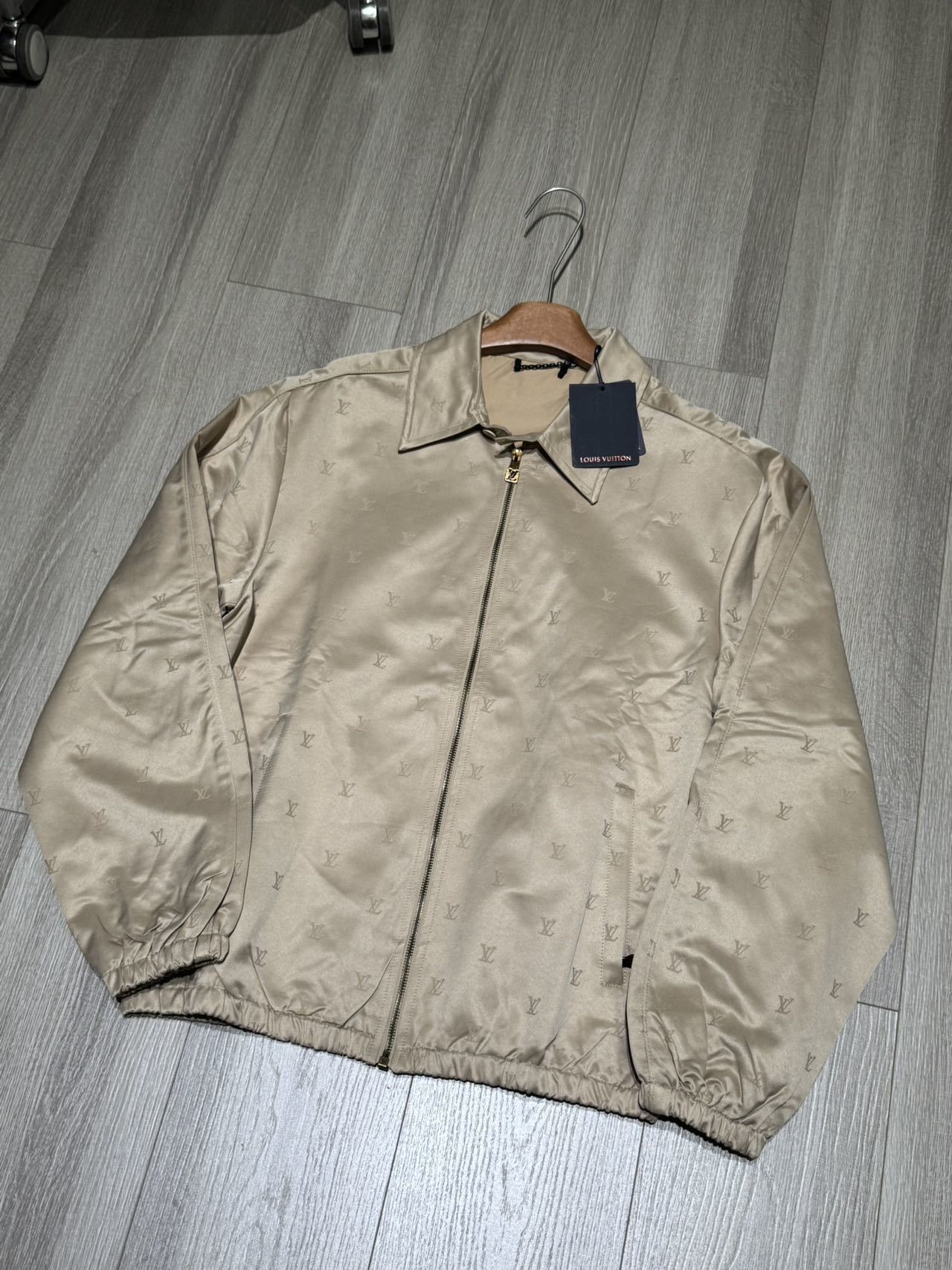
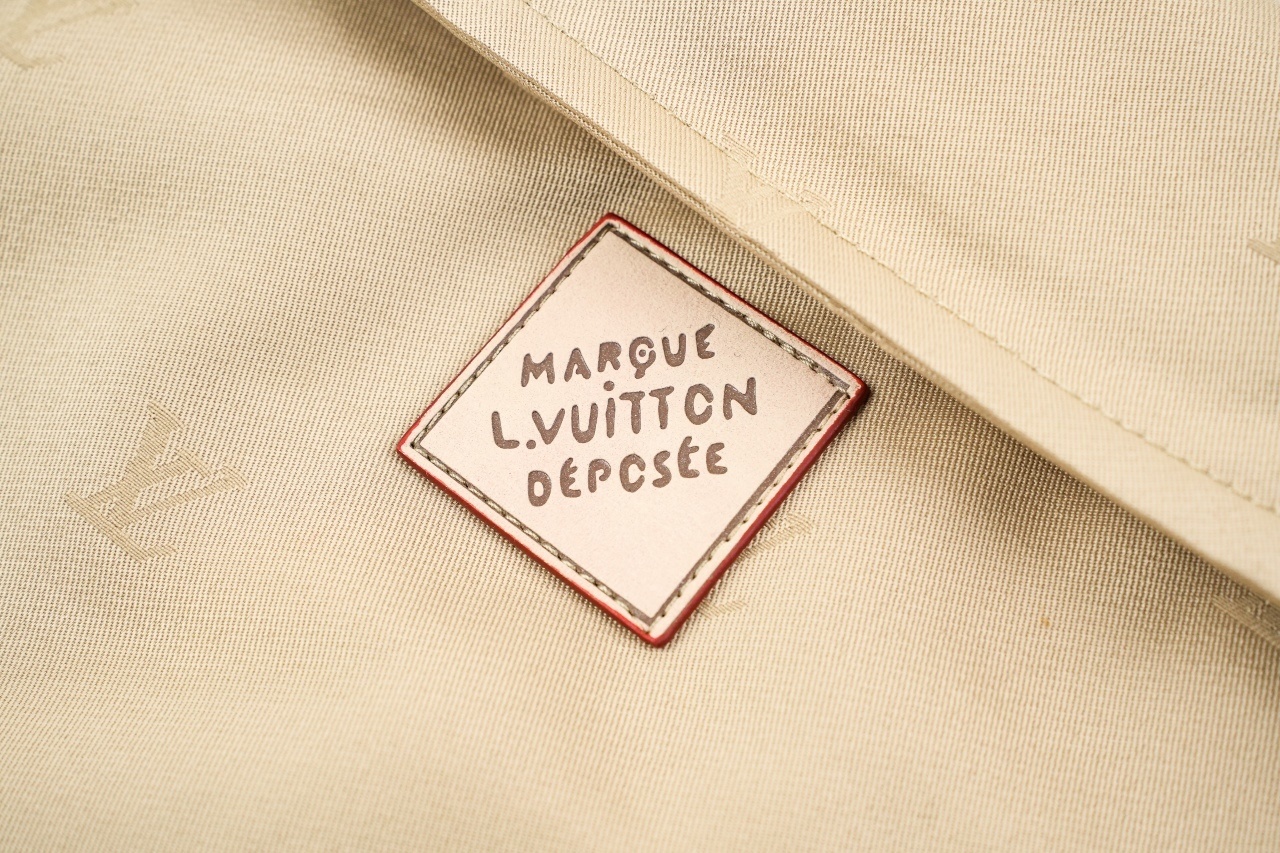
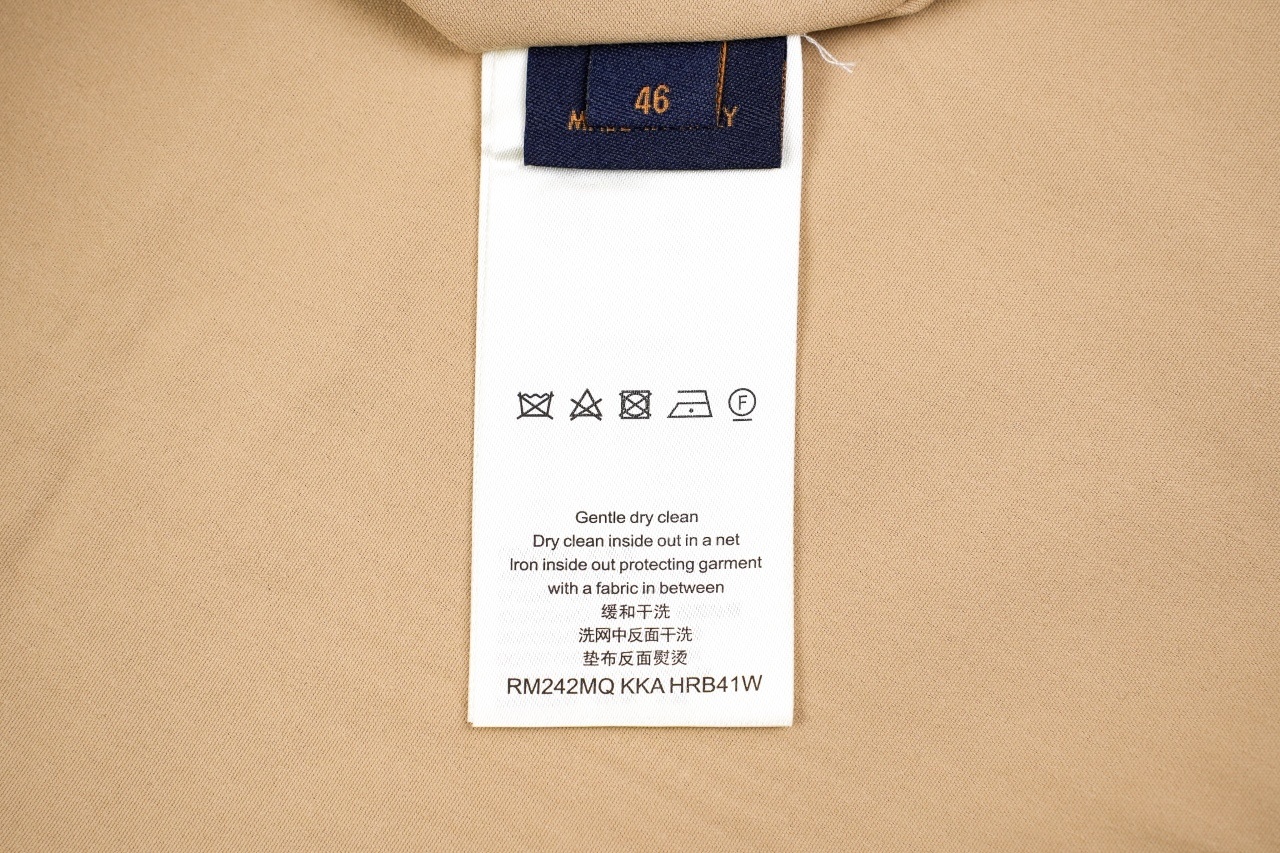
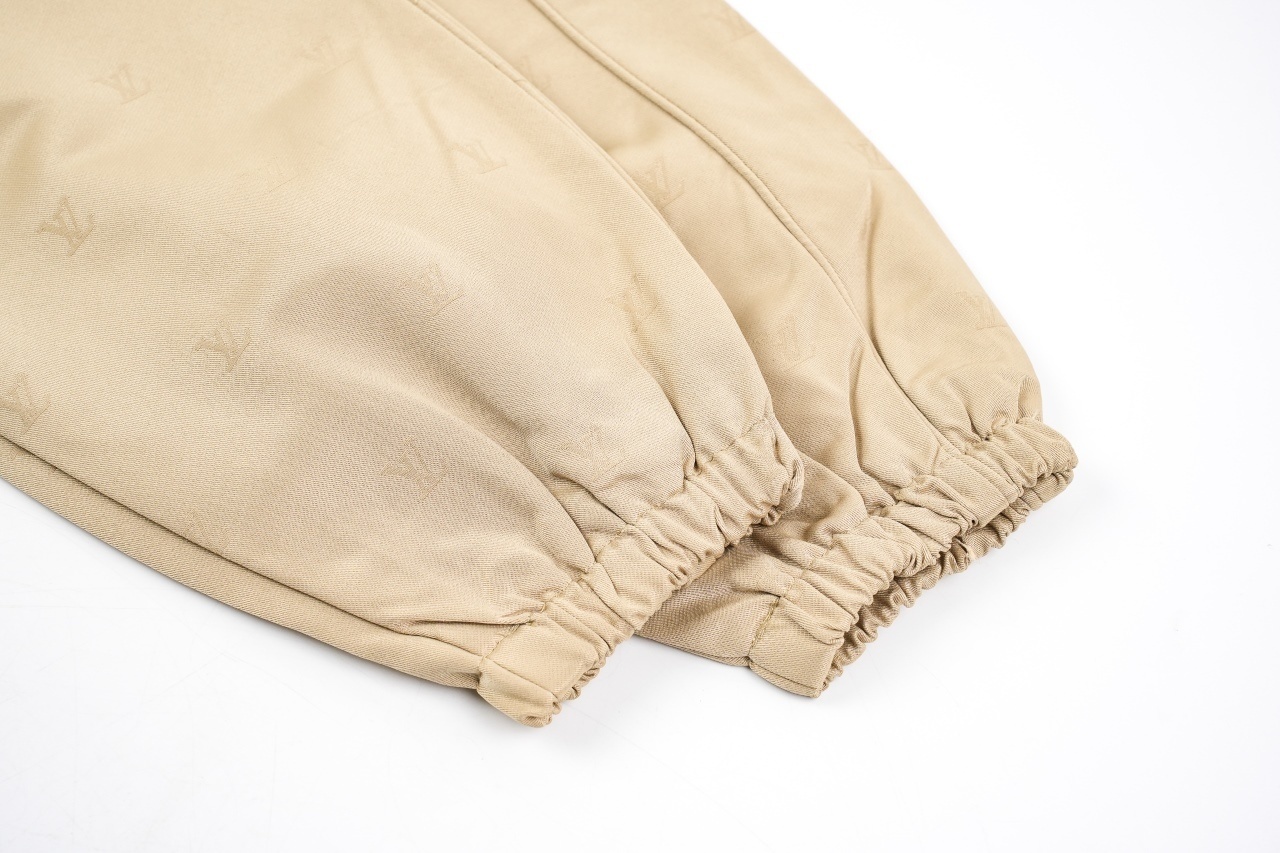
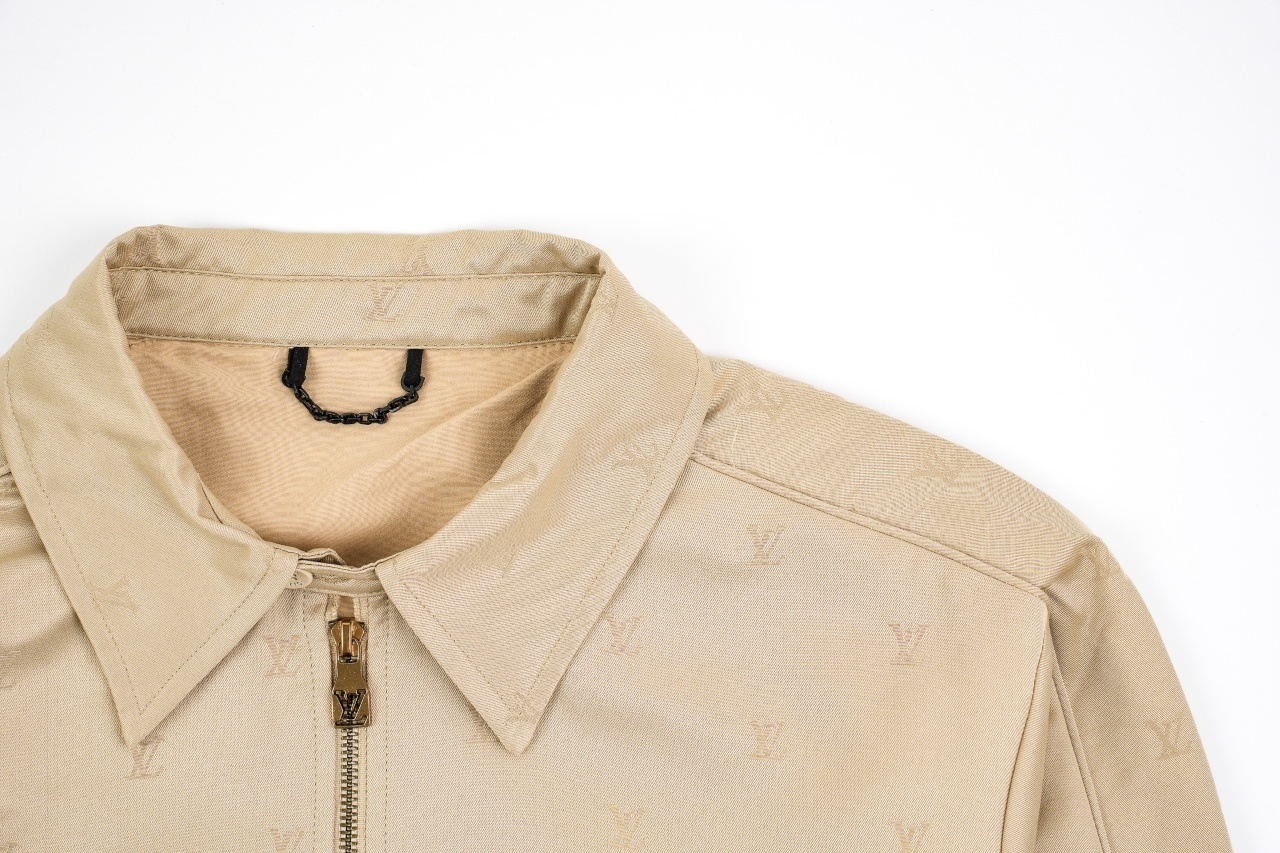
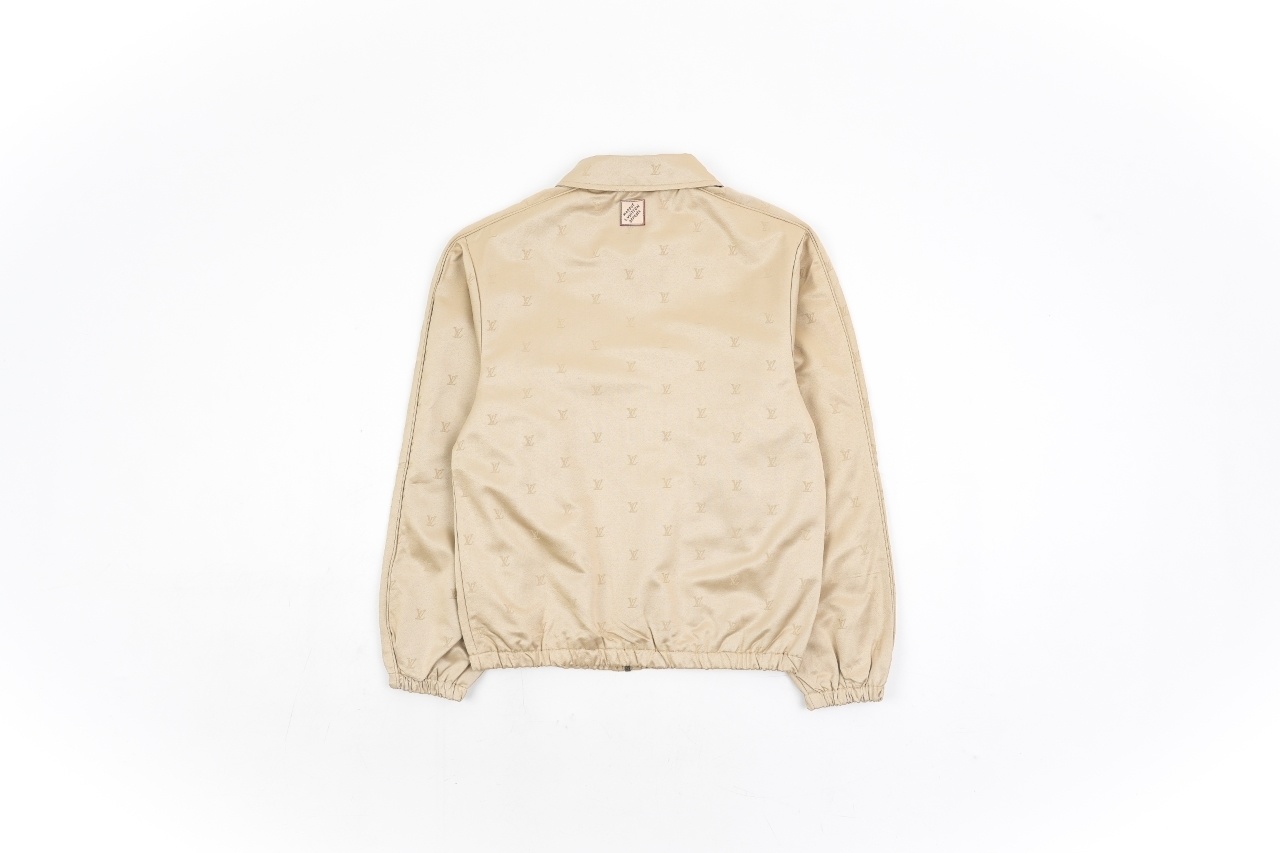
https://shop1786501013.v.weidian.com/item.html?itemID=7577250475 lv's highly anticipated silk jacquard coat in Khaki Fabric: 100% 320g 80s combed cotton satin fabric The original fabric has a very high gloss. The finer the yarn (the higher the count), the smoother the surface of the spun yarn will be, the neater the fiber arrangement will be, and the more concentrated and uniform the reflection of light will be, thus creating a strong luster. Low-count yarns (such as 20-32 counts) have more fuzz on the surface, causing light scattering and resulting in a matte effect. At the same time, high-count yarns allow for the weaving of more delicate and clear jacquard pattern details. Yarn type: Combed cotton. The combing process removes short fibers and impurities, making the yarn tougher, smoother and more uniform. This is a key prerequisite for achieving high gloss and strength. Core textile technology Weaving process: Satin + jacquard Satin is the source of luster Principle: The interweaving points of the warp and weft yarns in satin weave are the fewest and most dispersed. This causes the vast majority of the fabric surface to be covered by yarns (warp or weft) in the same direction. A large number of smooth warp yarns float on the fabric surface, forming a continuous and uninterrupted "mirror surface", thus generating a "very, very high" gloss. Jacquard weaving technique Based on the satin weave, a jacquard machine is used to control the independent movement of thousands of warp yarns through complex programming, weaving a concave-convex pattern. Post-treatment process - the source of the stiffness Core process: Resin finishing Front resin finishing: Specific chemical resins (such as melamine-formaldehyde resin) are impregnated and rolled onto the fabric, and then set at high temperatures. This will form a strong film on the surface of the fibers, giving the fabric long-lasting stiffness, a skeletal feel and anti-wrinkle properties. This is the most commonly used method. Reverse coating finishing: Applying a thin layer of polyurethane or acrylic coating on the back of the fabric can also greatly enhance the stiffness and thickness, while possibly not affecting the luster of the front. Auxiliary process: Polishing/friction polishing The fabric surface is pressed by a high-temperature and high-pressure roller to flatten the yarn, further enhancing its luster and smoothness. Mercerization treatment: After spinning or weaving, the cotton yarn is treated with concentrated alkali. This can permanently enhance the strength, gloss and dye adsorption capacity of cotton fibers. Summary Fabric 100% pure Cotton, high-gloss and high-count (80s) + combed + satin weave + mercerization treatment + calendering treatment, electronic jacquard weaving on satin weave, finally resin finishing + coating finishing Lining Woven with 60% cotton weft and 40% copper-ammonia fiber warp Size: 46-52