








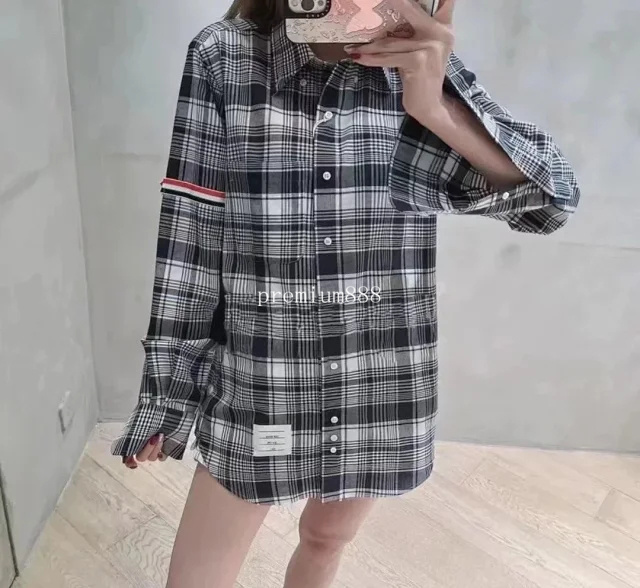
















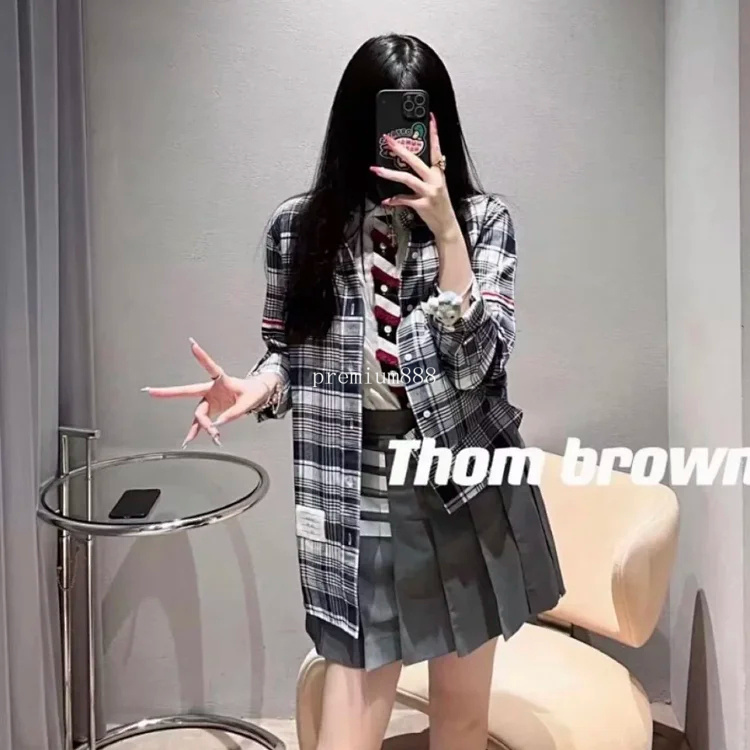
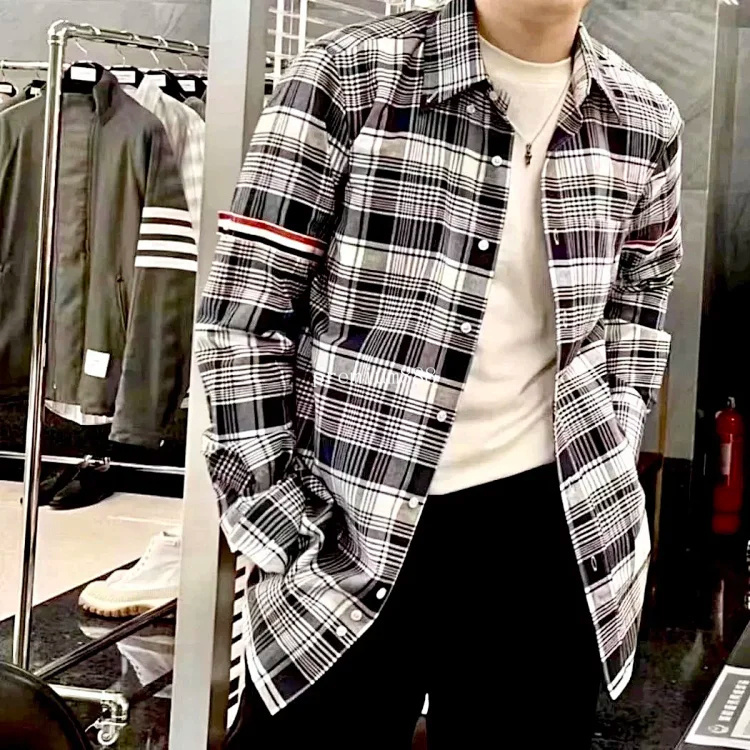
($30=210CNY) Th*om Br*owne / SS22 Grid Shirt Item ID:40090
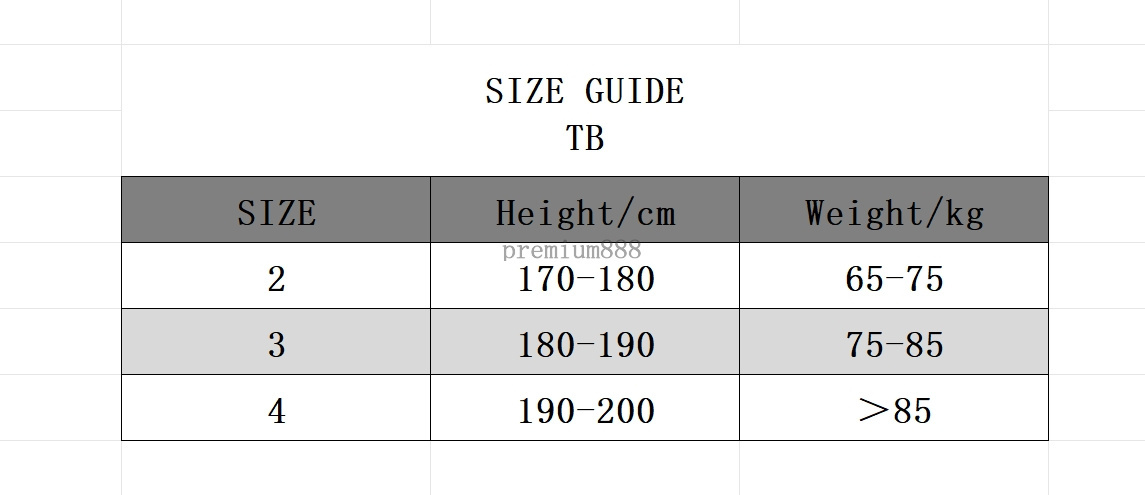
No size chart for this product.
($30=210CNY) Th*om Br*owne / SS22 Grid Shirt Item ID:40090
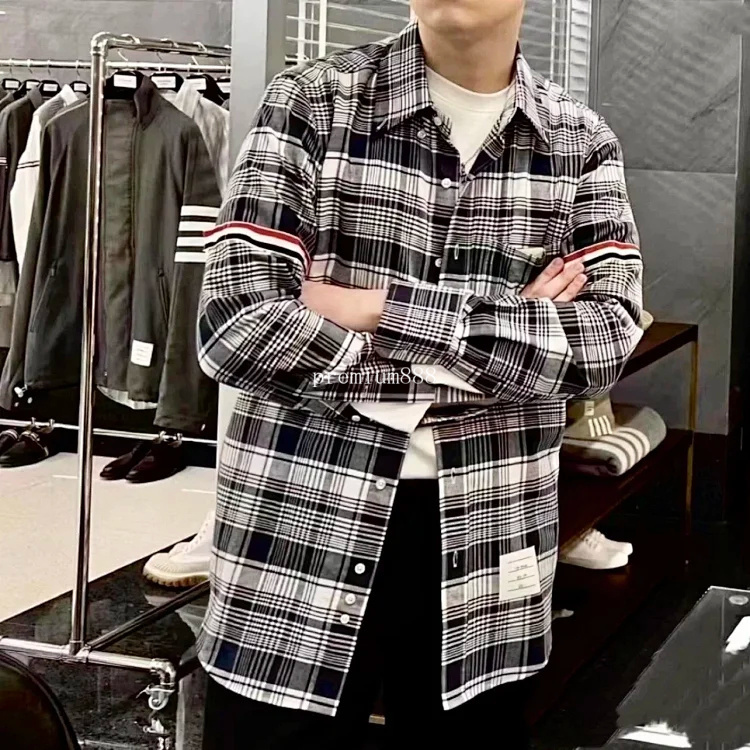
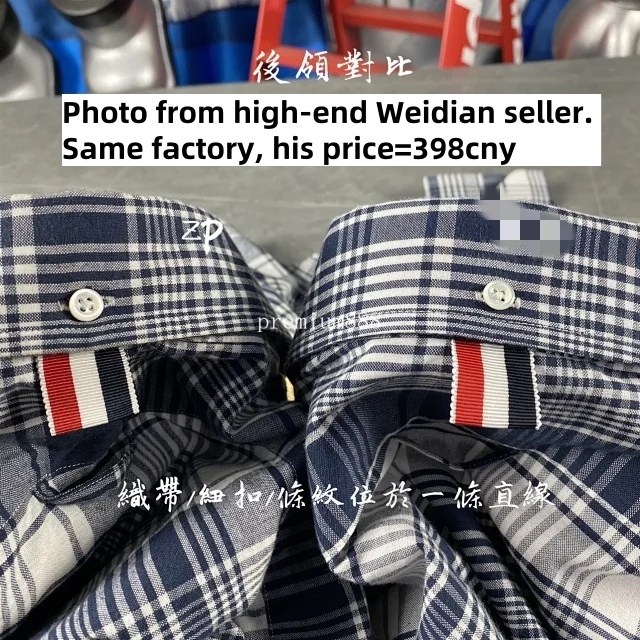
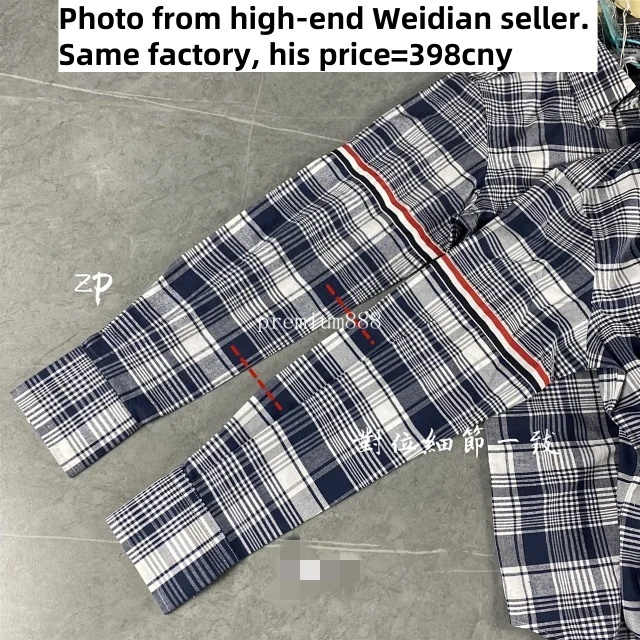
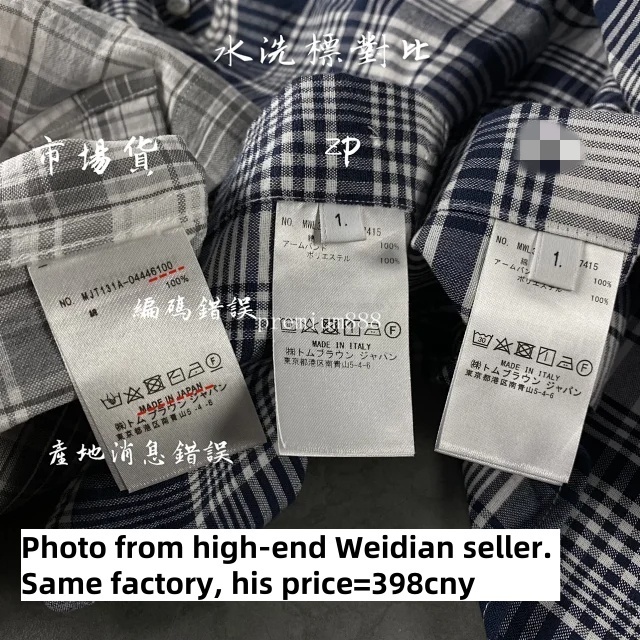
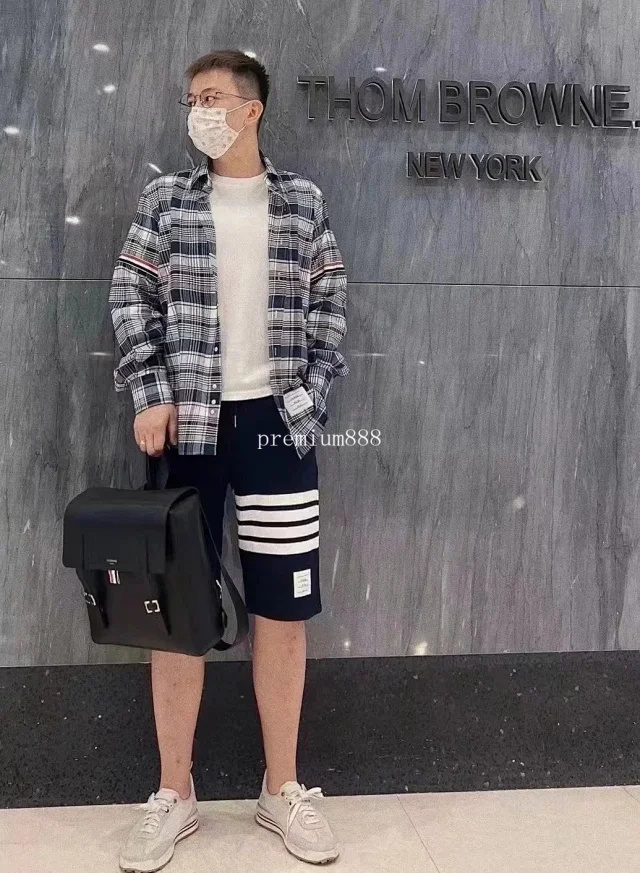
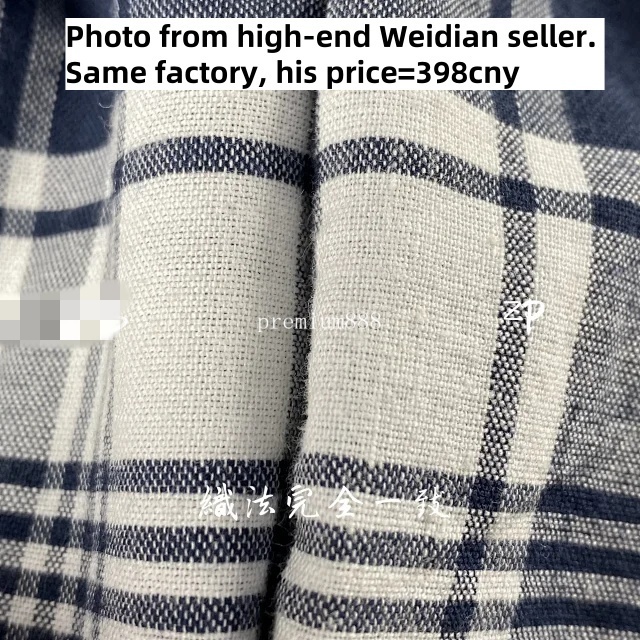
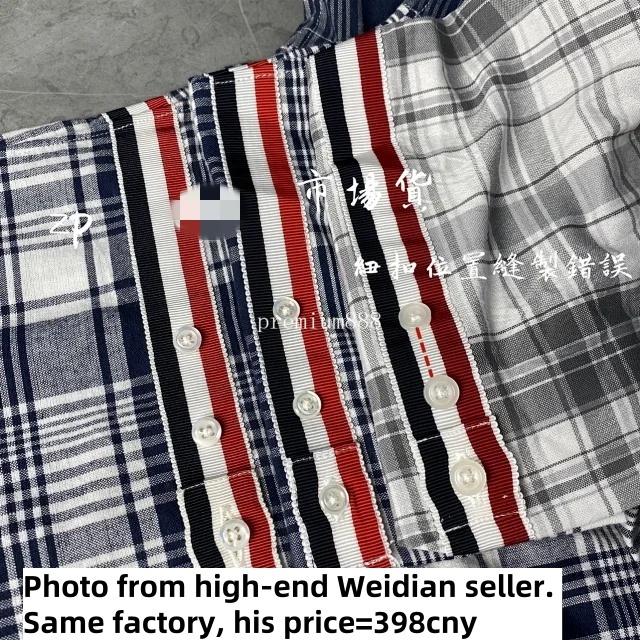
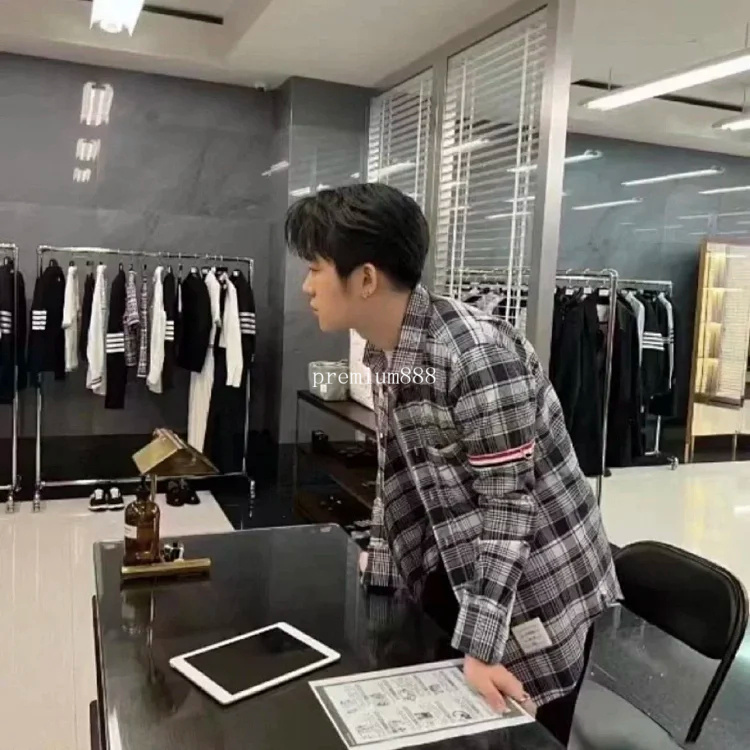
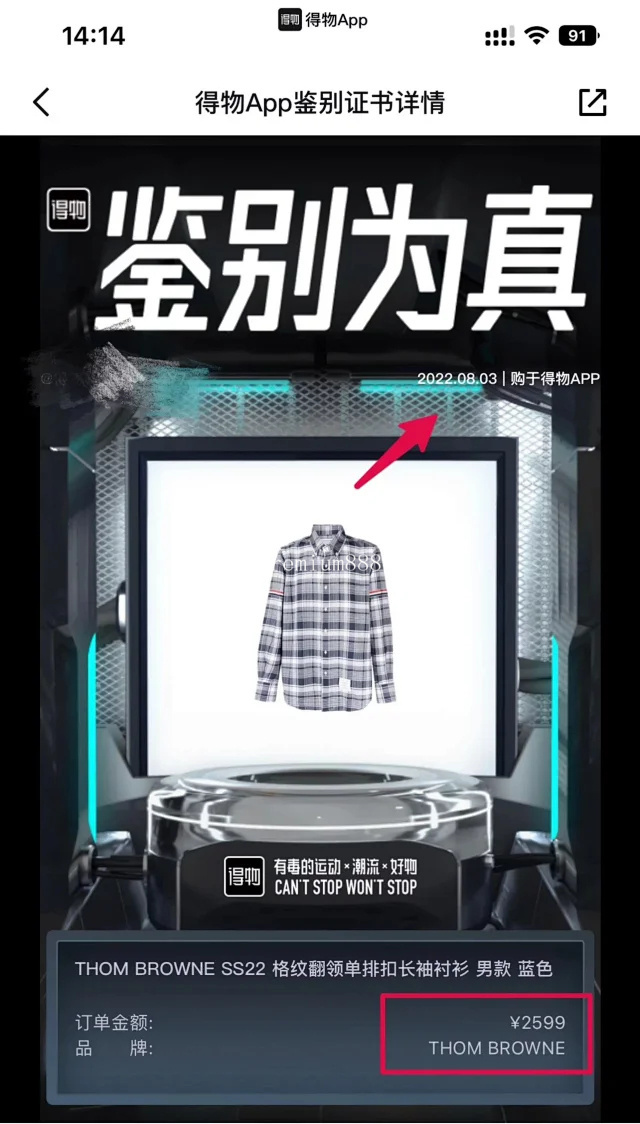
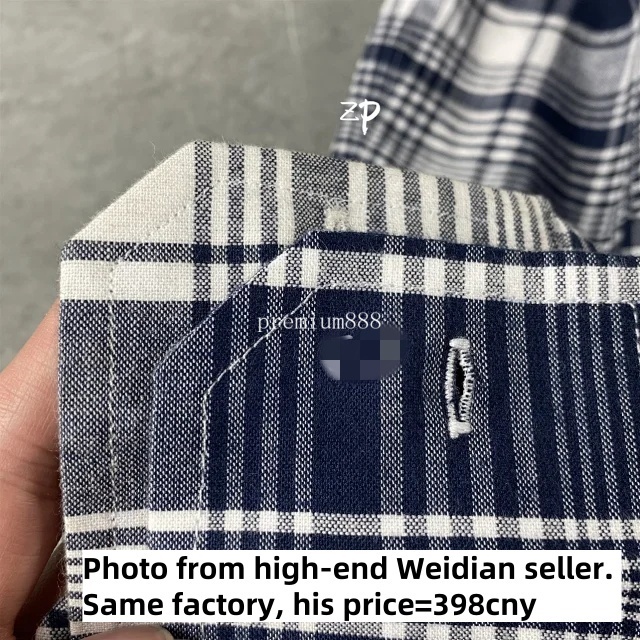
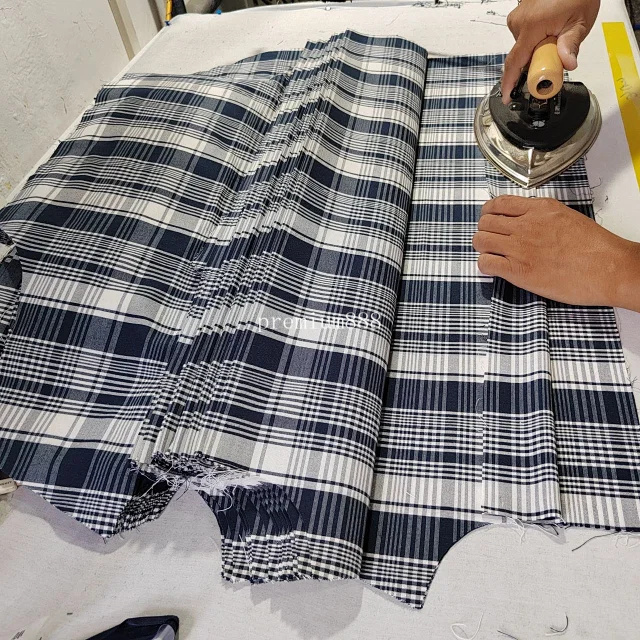
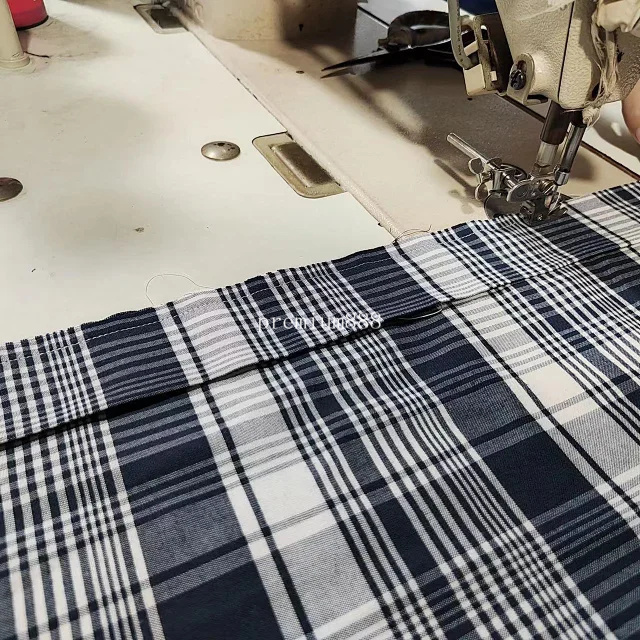
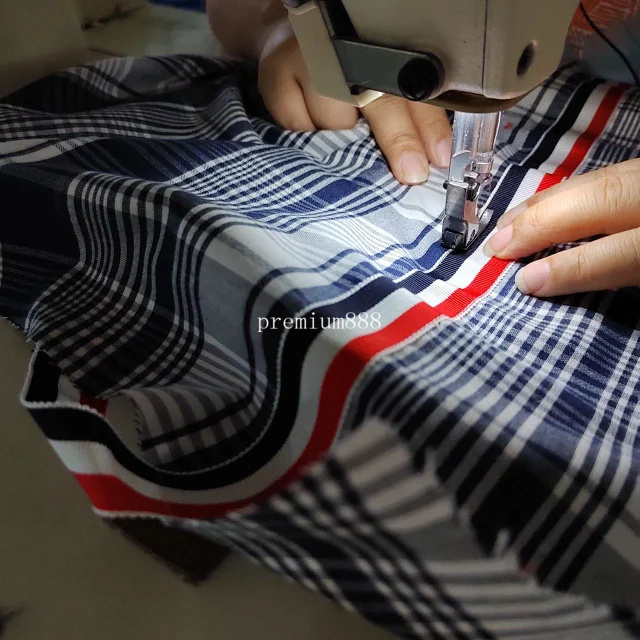
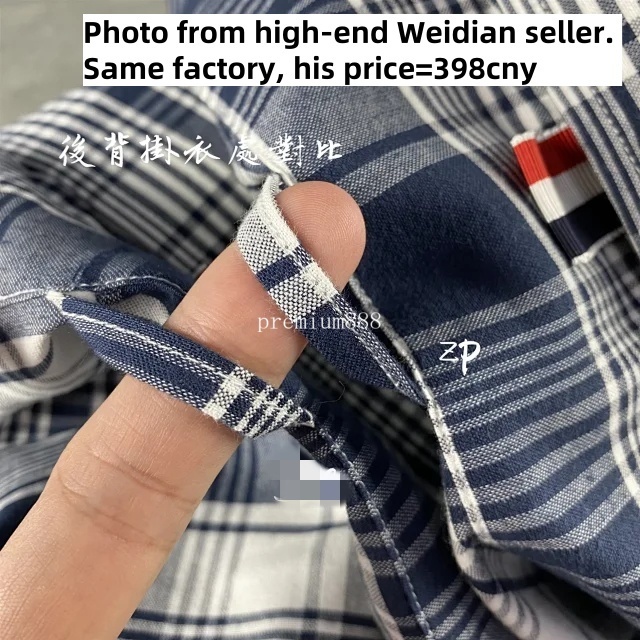
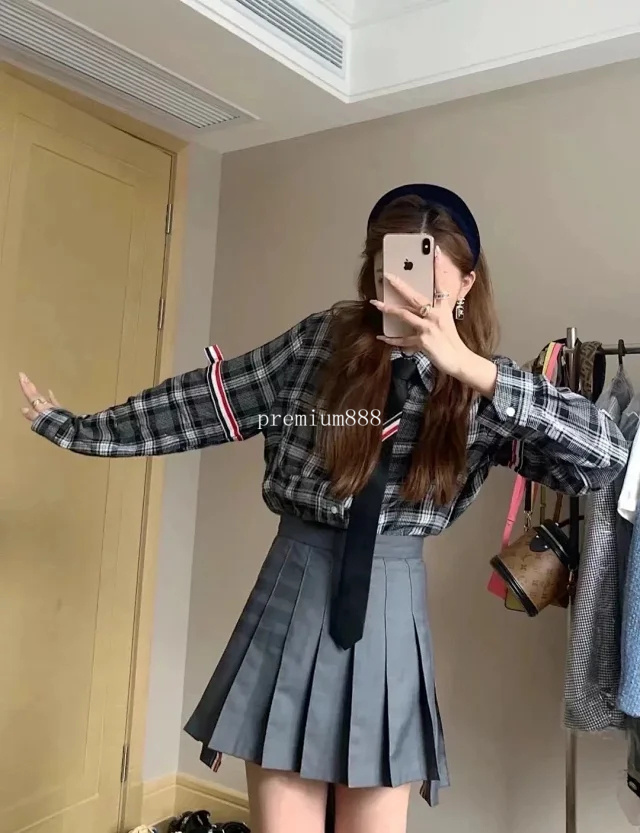
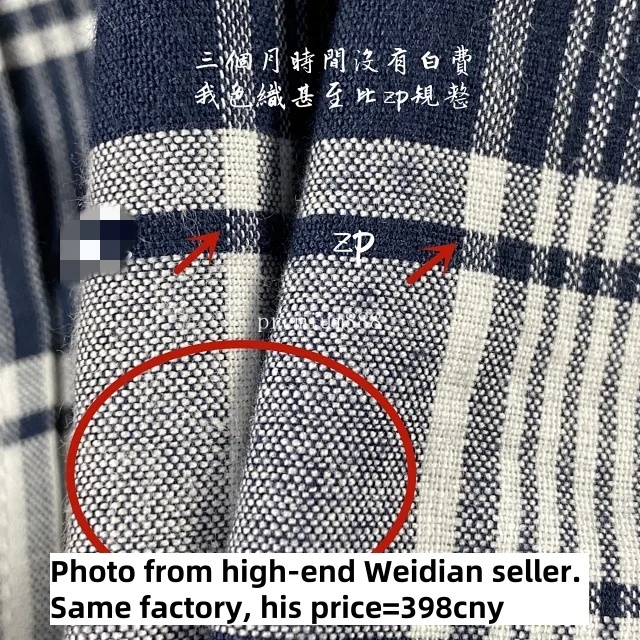
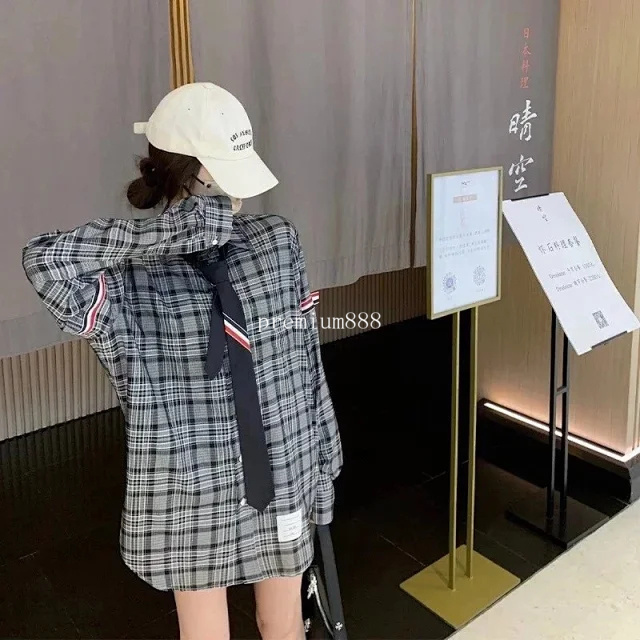
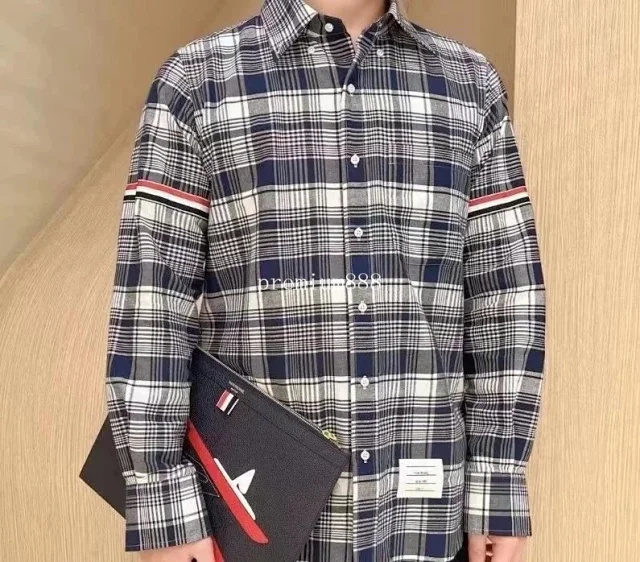
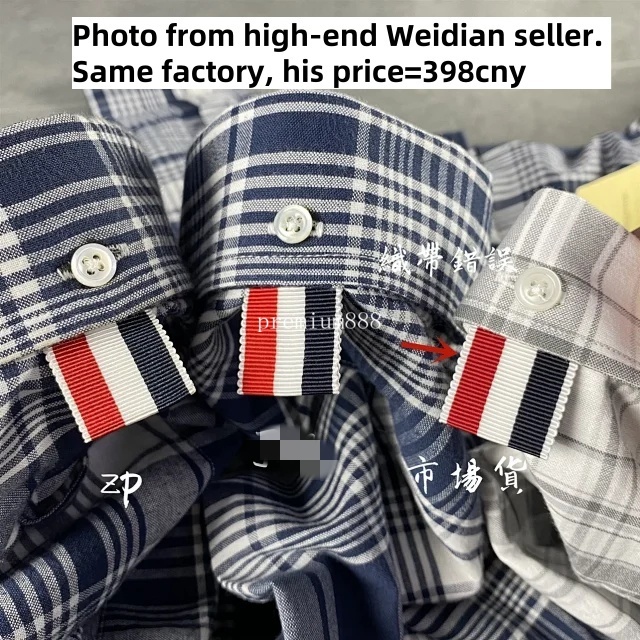
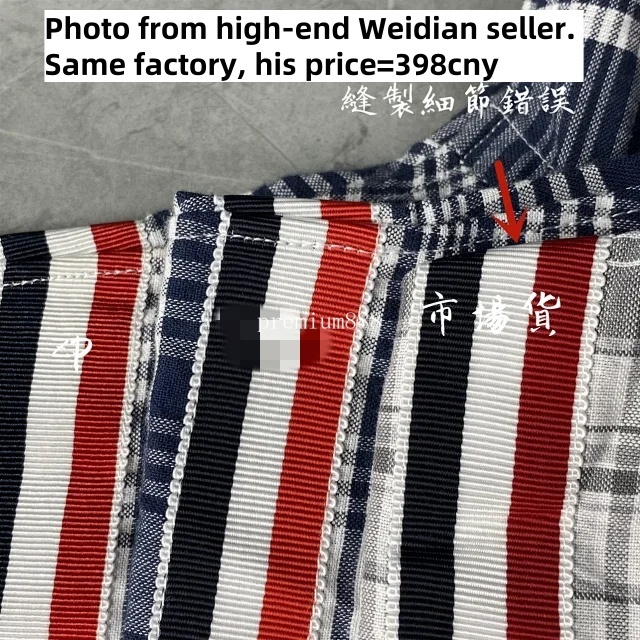
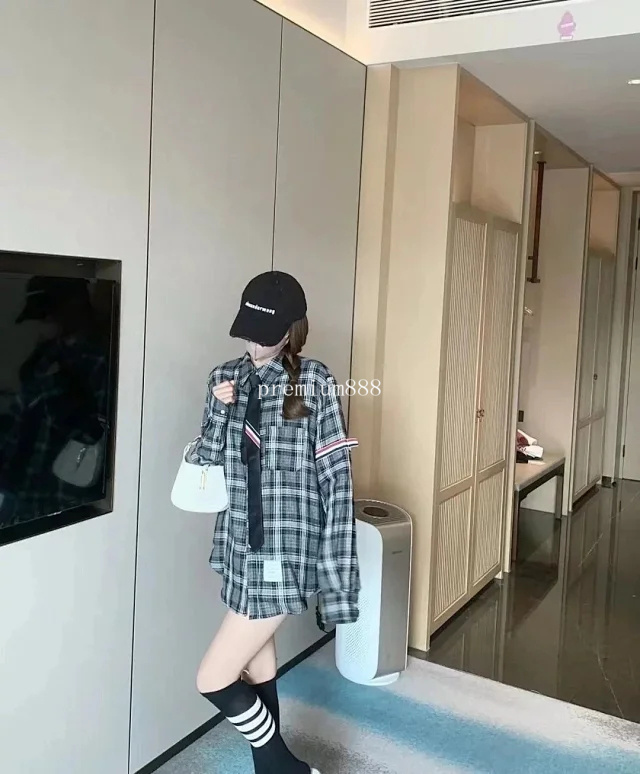
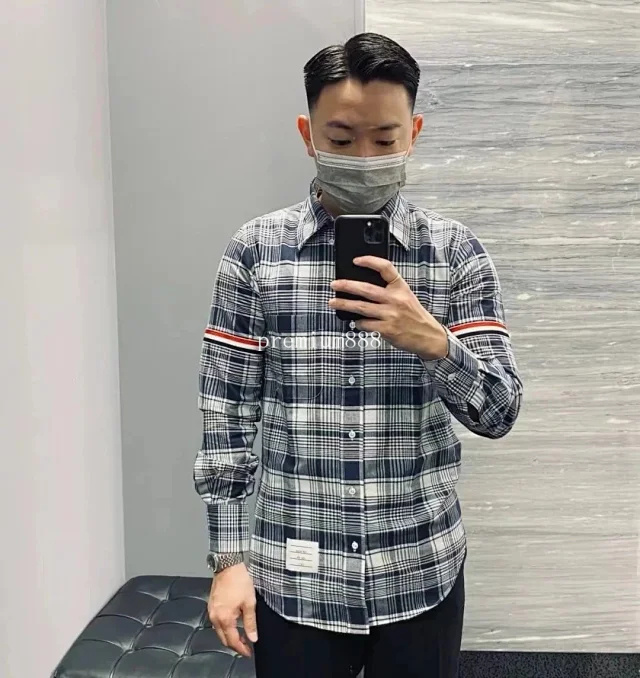
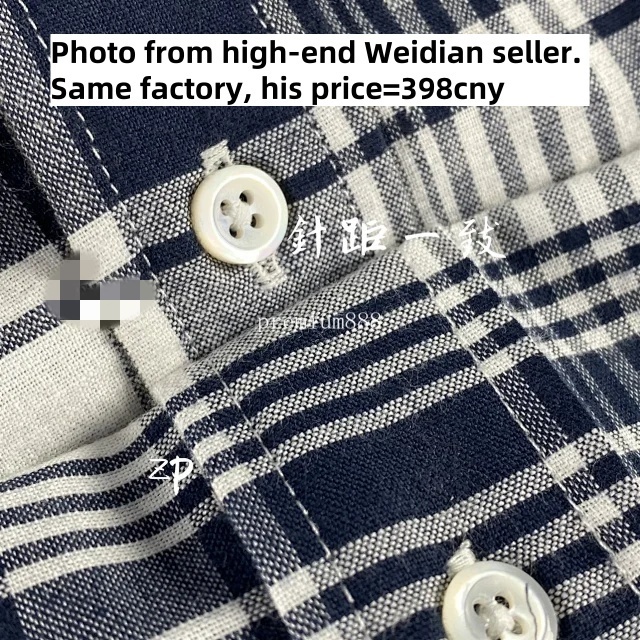
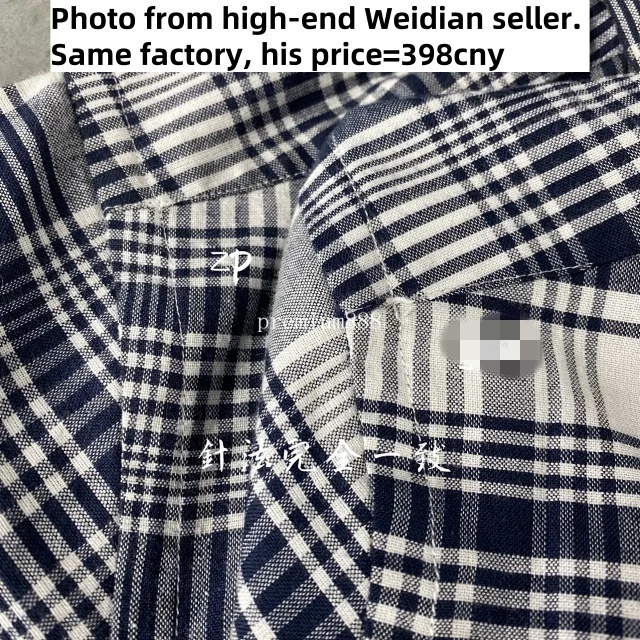
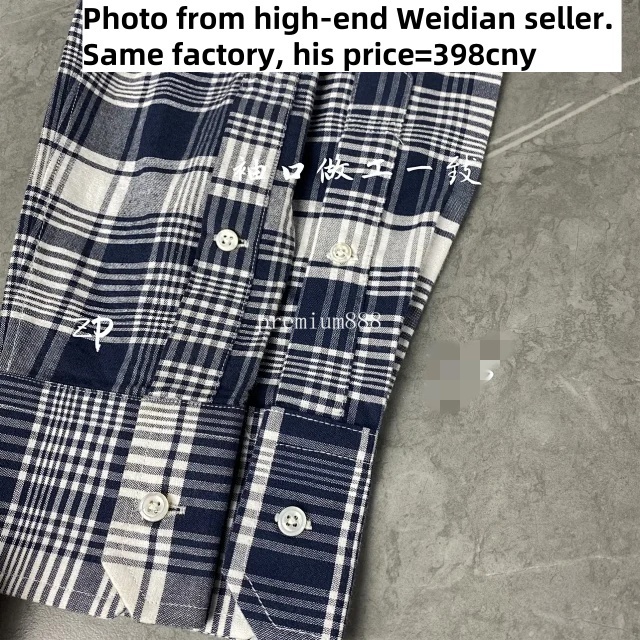
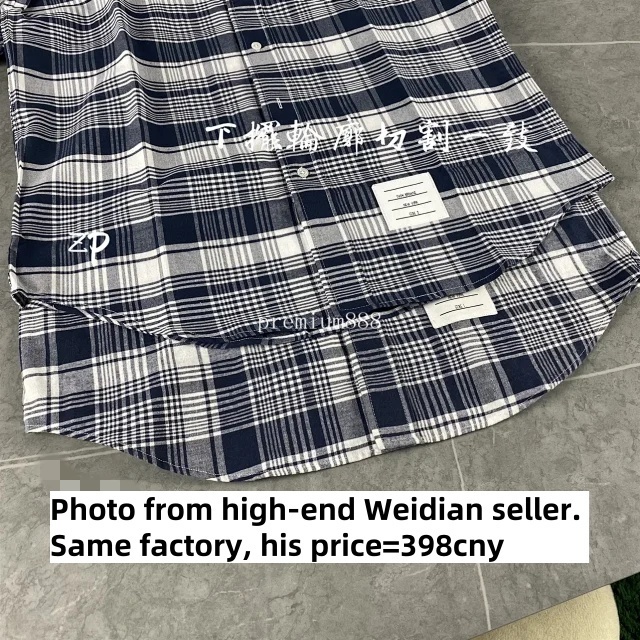
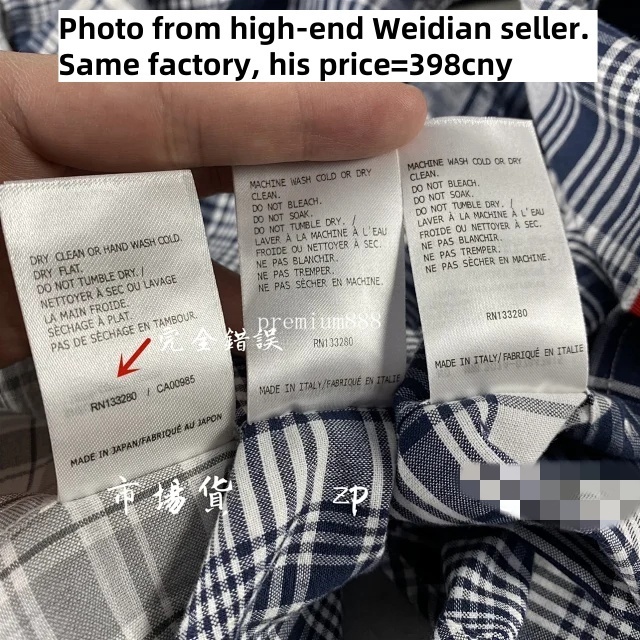
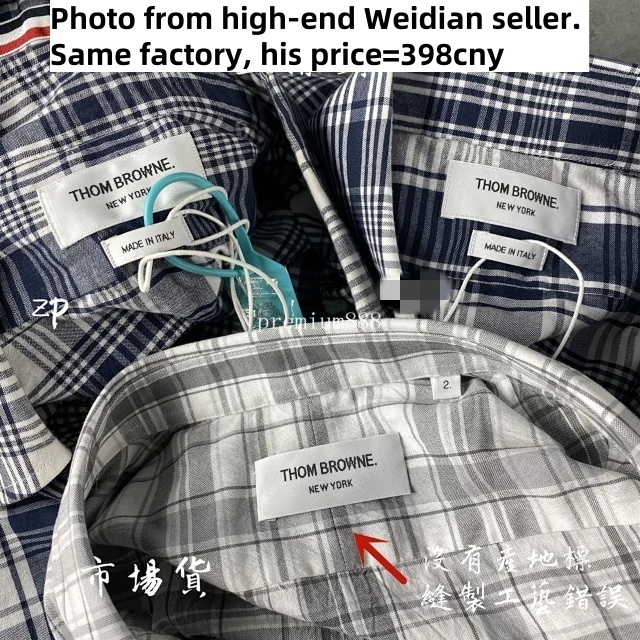
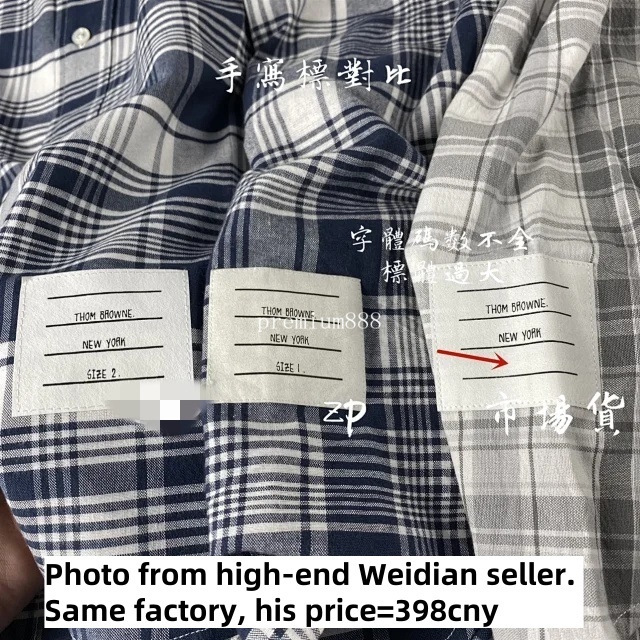
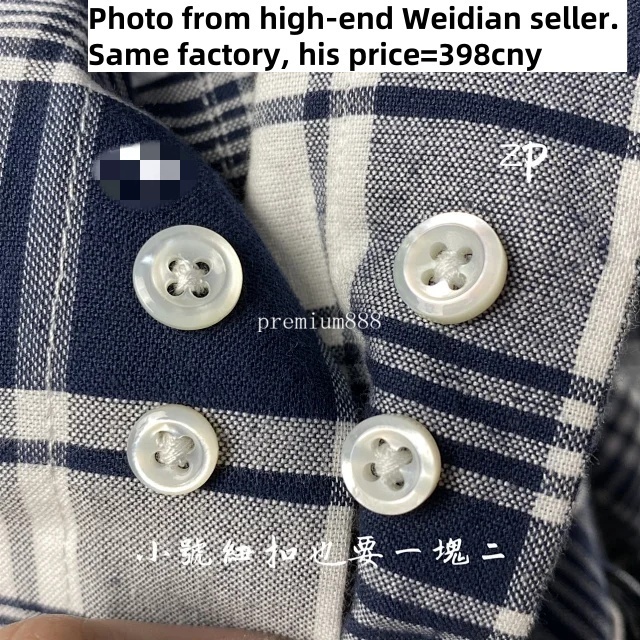
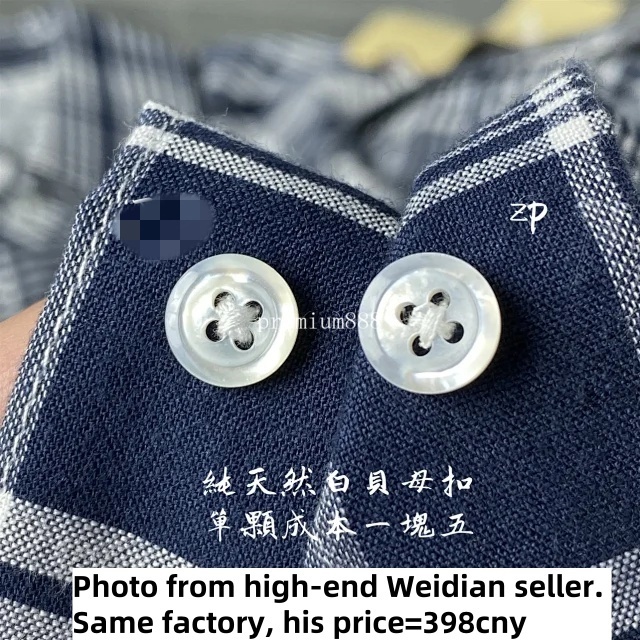
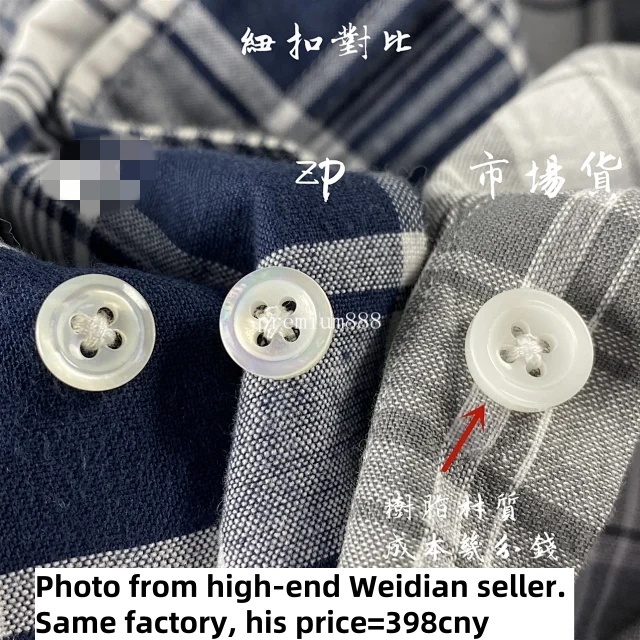
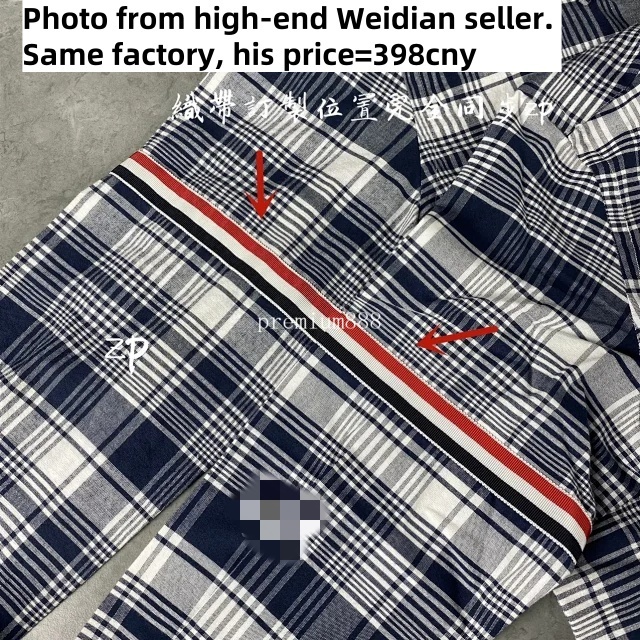
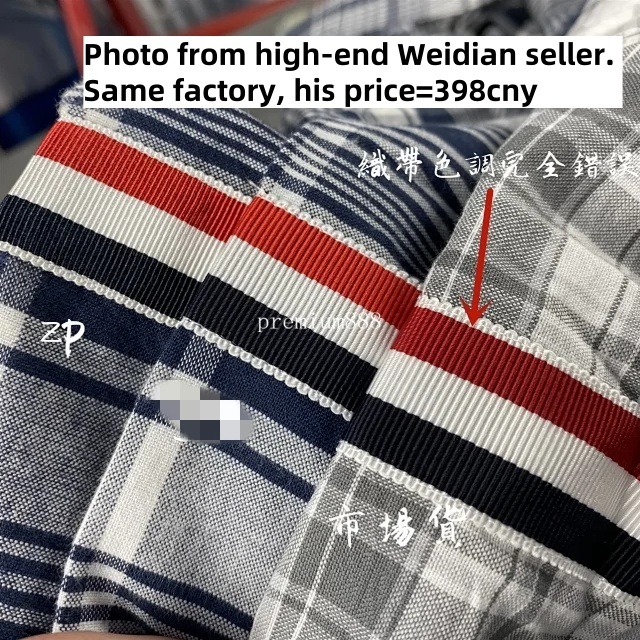
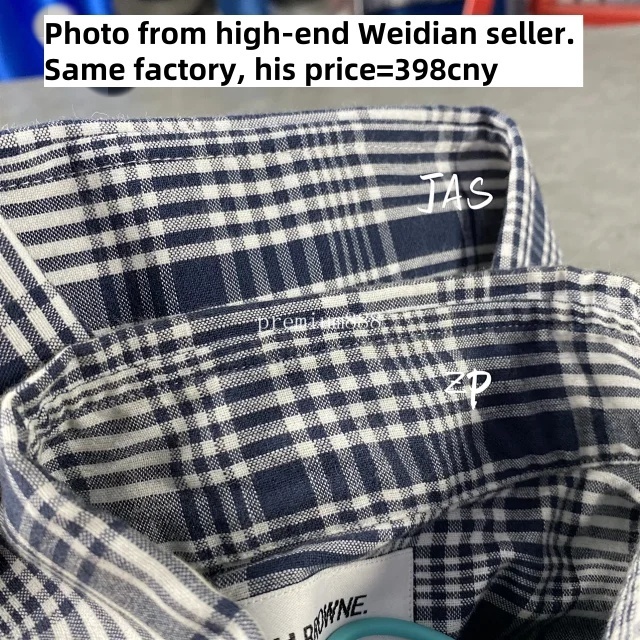
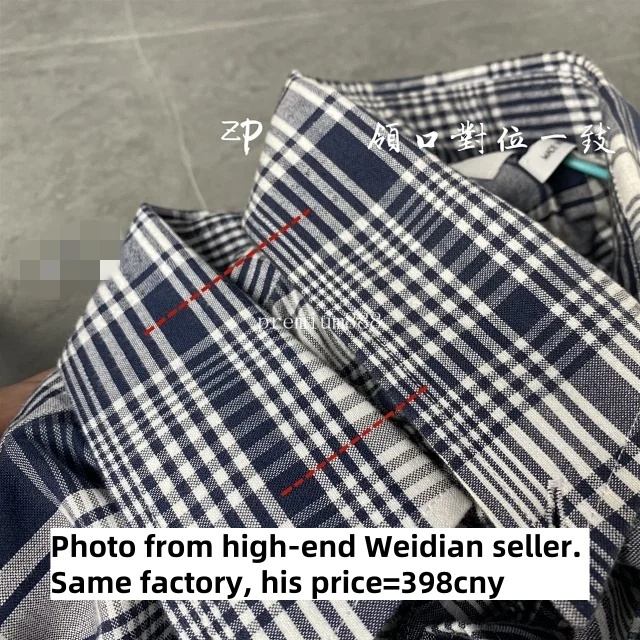
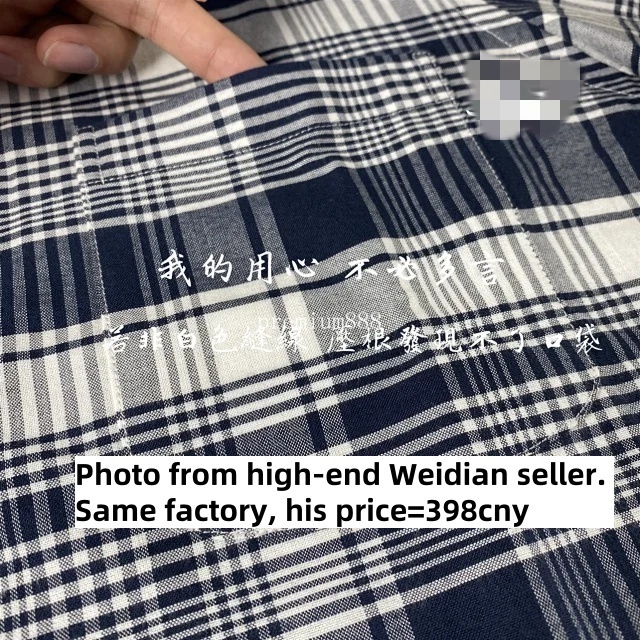
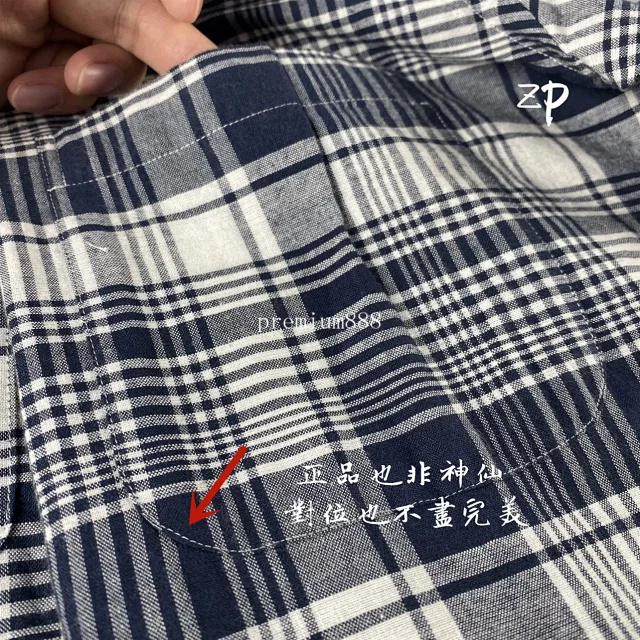
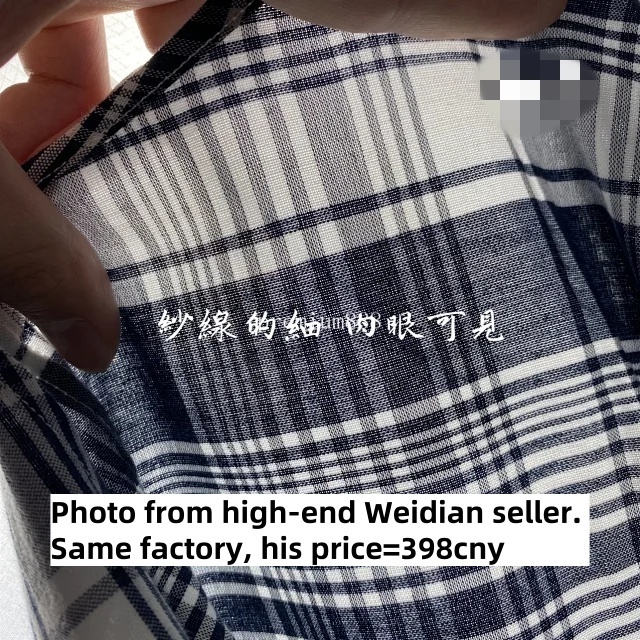
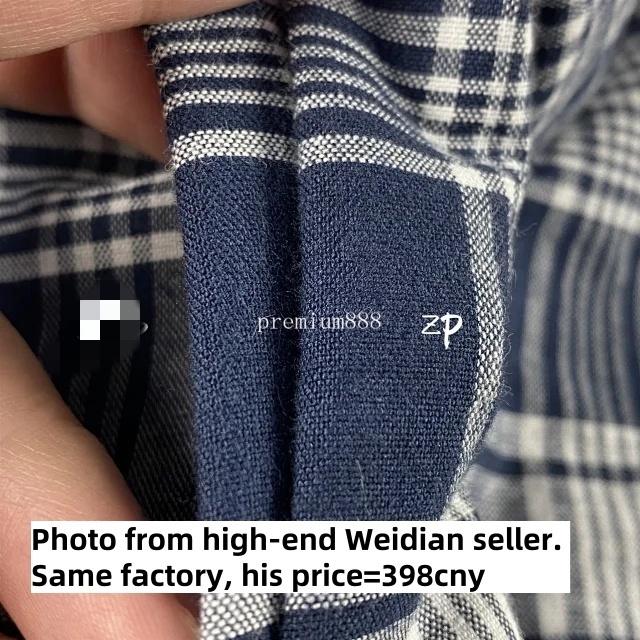
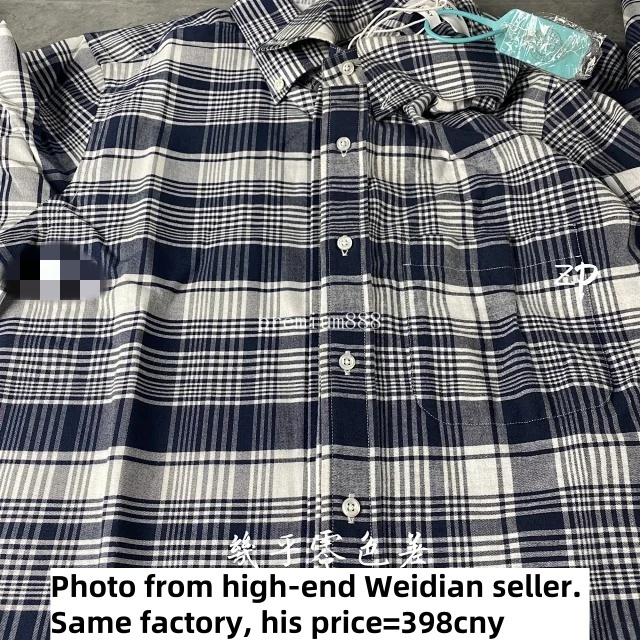
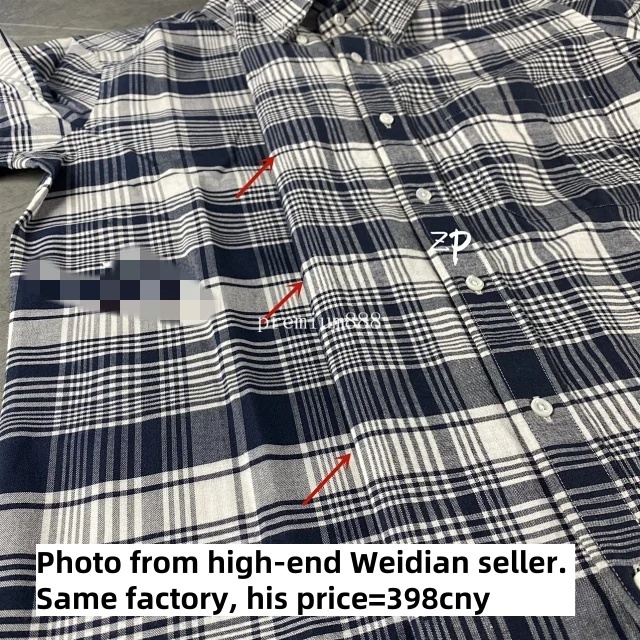
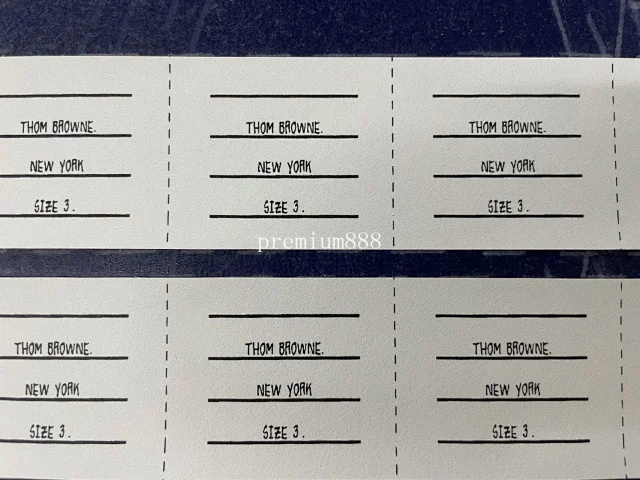
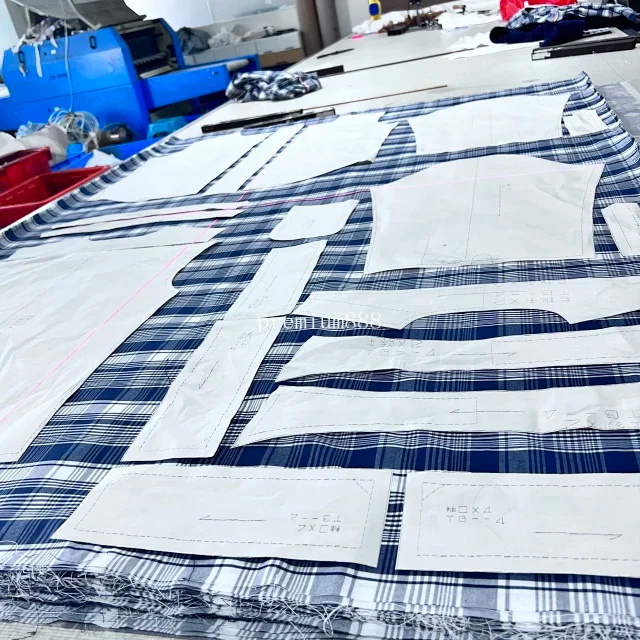
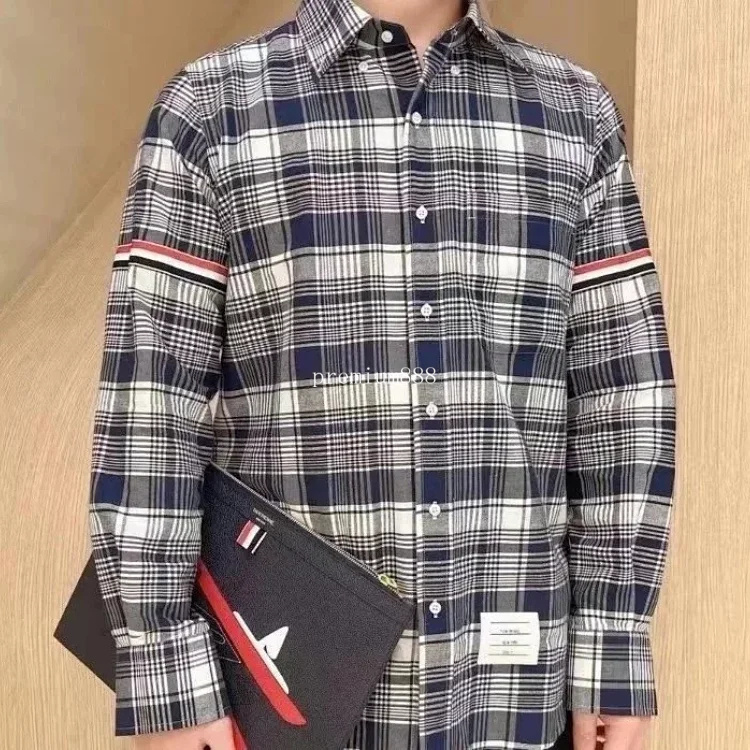
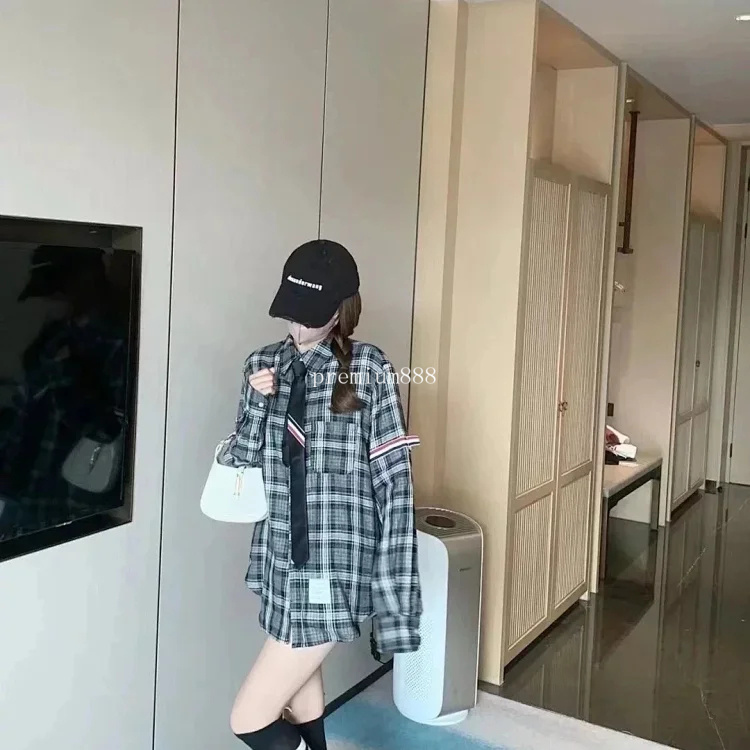
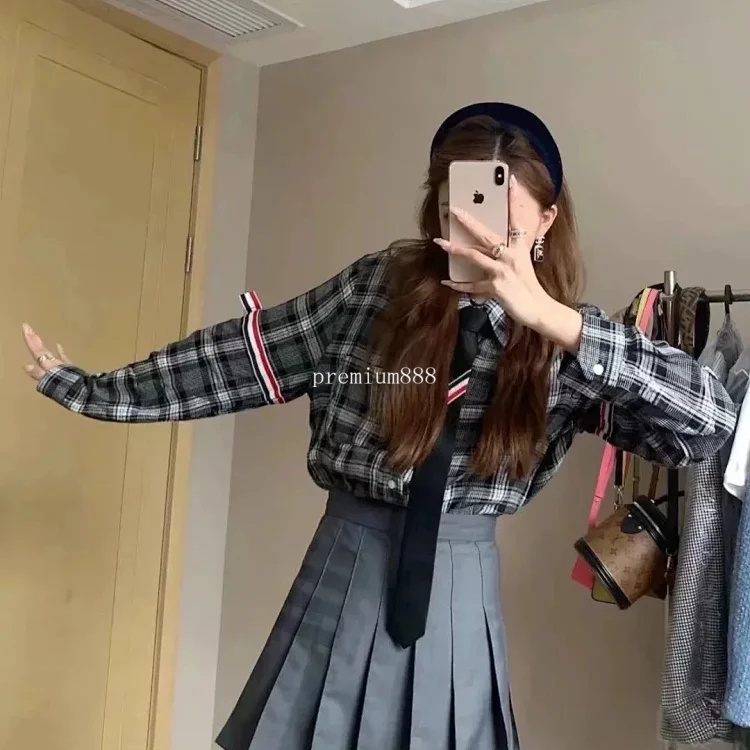
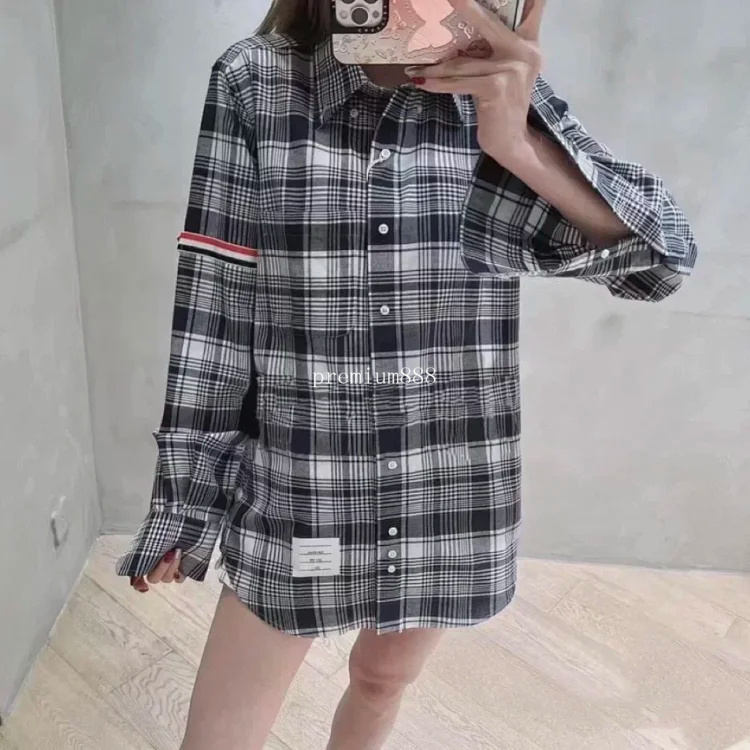
$30 Th*om Br*owne / SS22 Grid Shirt (Fabric Development Took Three Months) 💗Item ID:40090 🔥Weidian link: https://weidian.com/item.html?itemID=7338837404 🔥Buying price $26, I add $4 margin for the service charge of purchasing , so our selling price is $30 😓In others' high-end Weidian,the selling price range is $40-$60 Save ¥3,000 💯 Last year, the original version I bought was just over ¥2,000. Now, it has increased in price to ¥3,500-5,000, and sizes are severely limited. "The development of the fabric took three months." It's rare for a few shirts to spend three months just on the fabric. Market goods could easily produce several models in that time. Due to our focus on details, quality is our strength, while delivery speed is our weakness. Setting aside the brand, for shirts, the two things I care about most are: Fit Whether a shirt fits well and looks neat and tidy directly affects the overall look when worn. Of course, there's no need to worry about this. When selecting styles, I always pick ones that look good on me. Thom Browne's shirt designs are predominantly preppy, and the fit is friendly to Asian body types. I offer many styles, and for the fit, I just need to use my "ruler" to authentically replicate theZP fit. Fabric This is extremely important. There are endless blends and fabrics mixed with various other components on the market, which significantly reduce costs. This results in many customers' "buyer shows" being vastly different from "seller shows." Since shirts are wearable throughout the year, low-quality fabric not only has a short lifespan and is uncomfortable to wear, but the cheap feel of the fabric greatly affects the overall look. One image to feel my yarn-dyed expertise. The "expensiveness" of the fabric is not just due to the ultra-fine cotton yarn itself, but also the three months of repeated testing. Countless batches of fabric were discarded to achieve this level of quality. There is no such thing as customer-supplied original factory fabric. What we have is the patience invested day and night and the ultimate pursuit of perfection in our work. First-person perspective of production. The entire roll of fabric is cut according to the required shirt fabric, stacked layer by layer, and then cut and divided according to the original version's various parts. The white paper represents all the parts of the entire shirt. Laser precise cutting (the papers are made by dismantling theZP and measuring each part). Other parts are discarded. A 30% discard rate is not exaggerated for shirts with almost entirely aligned details. "Garment craftsmanship" is also a subject of study. All auxiliaries are "self-developed," which is an advantage lacking in market goods. Perfect auxiliaries ensure a more reassuring wear. "Handwritten tag": Completely self-developed, with countless film plate adjustments. After confirmation, it is hand-brushed with ink to achieve a natural texture. I'm quite speechless. I bought a market good from a WeChat store for ¥388 and waited half a month to receive a gray one, and they wouldn't let me return or exchange it. When I bought from another seller, they didn't ship it either. So, I used the market good to compare auxiliaries and fabric directly withZP. Text comparison: "The beauty of symmetrical grids." The buttons are located on the middle dark blue grid, which is a fixed detail. The fabric grids are completely identical. Three months of effort, almost 100% restoration of grid details. Several batches of fabric were discarded, which was quite challenging. Close-up of yarn-dyed grid fabric: An angle that market goods dare not show, confident enough for ultra-clear shooting. Thinner fabric represents more expensive craftsmanship. Feel the visible texture. Pocket cutting alignment: The grid of the pocket fabric needs to be completely aligned with the main fabric. To be honest, I did a better job thanZP in this regard. Collar cutting alignment: Try to maximize the restoration ofZP details from the original pattern. Webbing comparison: Custom modifications took over a month. In fact, each TB item may have slight color differences due to different release dates and batches (some are darker blue, some are purple, some are black...). Therefore, customizing based on the developedZP is the only reliable way. Button comparison: My buttons are selected from pure natural white mother-of-pearl. The cost of a large one is ¥1.5, and a small one is ¥1.2. These are actual costs. Market goods use resin buttons as substitutes. These cheap buttons cost only a few cents each and lack shine and texture. Auxiliary comparison: Independently developed auxiliaries are my exclusive strength. Market goods use generic tags with messy materials and numbers. Fit comparison: All data is synchronized withZP, and the fit is not modified. Enjoy Thom Browne's classic American preppy fit. Craftsmanship comparison: My craftsmanship has always been reassuring. Top-tier equipment, experienced workers, and multiple quality control checks ensure that every product is satisfactory.